
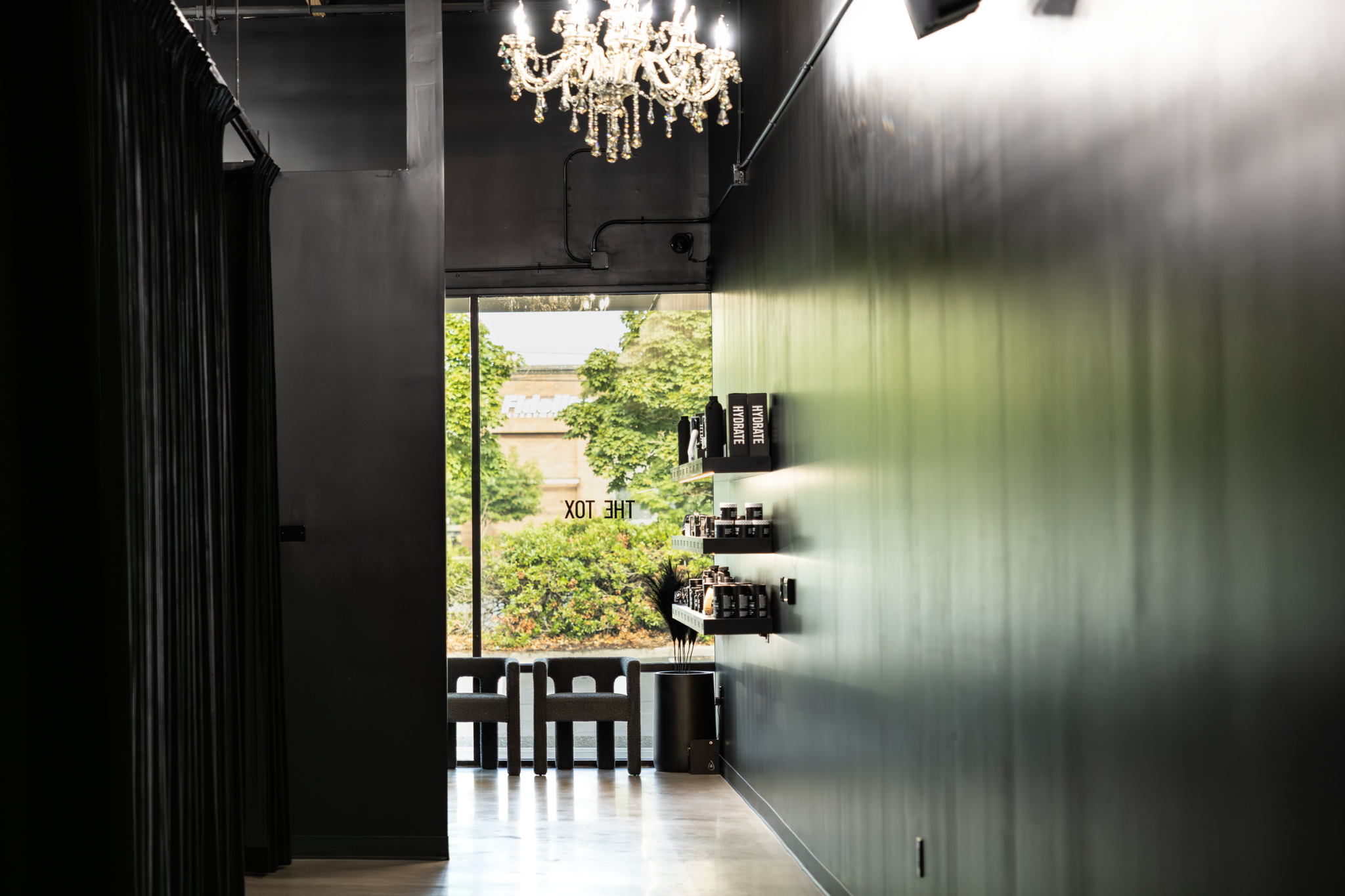
Commercial Soundproofing Solutions for Productive Workspaces
Commercial soundproofing solutions are becoming a defining feature of modern building design as businesses seek greater comfort, privacy, and productivity. In today’s shared environments, excessive noise is one of the most overlooked obstacles to performance and well-being. From open-plan offices and medical facilities to schools and mixed-use properties, controlling sound is no longer a luxury—it is a functional requirement.
At Modern Northwest, we approach sound control as both a technical discipline and a design opportunity. Rather than treating acoustics as an afterthought, our process integrates noise management into the structural and spatial foundation of how a space functions. This ensures that commercial interiors do not just look impressive—they also perform at a high acoustic level.
In this article, we explore how commercial soundproofing solutions work, why they matter across industries, and how a strategic acoustic plan can dramatically improve the quality, efficiency, and long-term value of a building’s interior environment.
Why Noise Control Is a Growing Issue in Commercial Buildings
Modern commercial buildings are designed for openness, flexibility, and collaboration. While these design trends encourage teamwork and visual connectivity, they also amplify sound. Large open areas, hard flooring surfaces, glass partitions, and exposed ceilings all contribute to excessive reverberation and sound travel. Conversations extend farther than expected, mechanical noise lingers, and background chatter becomes inescapable.

In office environments, uncontrolled noise reduces concentration, increases mental fatigue, and lowers overall job satisfaction. Employees in noisy workplaces are more likely to experience heightened stress levels, reduced cognitive function, and frequent interruptions that break their workflow. In healthcare settings, sound control becomes even more critical, affecting patient recovery, staff efficiency, and the confidentiality of sensitive medical conversations. Educational facilities also suffer when acoustics are neglected, as poor sound clarity directly impacts how well students understand instruction and how much strain teachers place on their voices.
According to OSHA’s noise exposure guidelines, prolonged exposure to elevated sound levels can cause long-term hearing damage and increased workplace fatigue. This makes commercial soundproofing solutions not only a productivity investment but also an important workplace health and safety measure
Beyond productivity and comfort, noise is now a regulatory and compliance concern in many industries. Privacy regulations in healthcare, finance, and call centers increasingly require effective sound isolation to protect sensitive information. Failing to meet these expectations can expose organizations to legal risk while also eroding client trust.
Understanding the Difference Between Soundproofing and Acoustic Treatment
Soundproofing and acoustic treatment are often confused, but they serve very different purposes within a commercial environment. Soundproofing focuses on blocking sound from entering or leaving a room. Acoustic treatment focuses on managing how sound behaves once it is already inside a space.
Commercial soundproofing solutions are built around controlling sound transmission between rooms, floors, and zones. This includes wall and ceiling assemblies engineered to block sound travel, insulated partition systems, sealed penetrations, specialized acoustic doors, and performance-rated glazing. These elements work together to contain noise at its source.
Acoustic treatment, on the other hand, addresses sound reflection, echo, and reverberation. This includes ceiling panels, wall absorbers, baffles, fabric-wrapped treatments, and diffusive surfaces that disperse sound waves evenly. These systems improve speech clarity and reduce overall noise buildup within a single room.
The National Research Council’s guide to building acoustics emphasizes that true sound control requires both isolation and absorption working together. Installing only surface panels without isolating wall assemblies may reduce echo but will not stop sound from passing between spaces. Likewise, blocking sound transmission without controlling interior reverberation often results in uncomfortable, echo-filled rooms.
Many commercial projects struggle acoustically because sound control is treated as a decorative afterthought rather than a structural design system. Proper acoustic performance begins inside the walls and ceilings, not with decorative finishes applied at the final stage of construction.
Key Areas That Benefit Most from Commercial Soundproofing
Not every area of a building requires the same level of sound control. Modern Northwest evaluates sound zoning early in the design process to determine where the most advanced commercial soundproofing solutions are required.
Office environments benefit greatly from soundproofing in private offices, executive suites, conference rooms, and focus areas where confidentiality and concentration are essential. Open collaborative zones also require reverberation control to prevent noise from spreading throughout the workplace.
Healthcare facilities depend heavily on sound isolation in exam rooms, consultation spaces, surgical prep areas, and patient recovery rooms. Acoustic privacy directly affects patient comfort and medical accuracy.
Educational spaces such as classrooms, training centers, and lecture halls rely on acoustic clarity for effective learning. Poor sound control leads to increased vocal strain for instructors and reduced comprehension for students.
Hospitality and mixed-use developments benefit from balanced acoustics that enhance ambiance while preventing unwanted noise transfer between restaurants, lounges, guest rooms, offices, and residential units.
Modern commercial developments frequently combine multiple functions within a single building. Offices may be built above restaurants, clinics next to gyms, and retail below residential units. Without properly designed commercial soundproofing solutions, noise conflicts become unavoidable and extremely expensive to correct after occupancy.
Materials Used in Commercial Soundproofing Systems
The success of any soundproofing project depends heavily on material selection and proper system assembly. Modern Northwest specifies sound control materials based on density, sound transmission class ratings, vibration resistance, and fire safety compliance.
High-density mineral wool and fiberglass insulation are used inside wall and ceiling cavities to absorb and reduce sound vibration. Mass-loaded vinyl serves as a thin but extremely heavy barrier that blocks airborne noise. Resilient channels and isolation clips decouple drywall from structural framing to prevent vibration transfer through the building’s structure. Double-stud and staggered-stud wall assemblies physically separate sound pathways, greatly increasing isolation performance. Acoustic sealants ensure that all joints, seams, and penetrations remain airtight.
Surface treatment materials such as PET felt panels, fabric-wrapped fiberglass absorbers, wood slat acoustic systems, and perforated metal ceiling panels are used to control echo and improve speech clarity.
Research published by the Acoustical Society of America confirms that combining high-density insulation with mass-based barriers significantly increases STC ratings, which are the primary performance measure for commercial soundproofing solutions.
Low-frequency noise from mechanical systems, elevators, fitness equipment, and heavy foot traffic is especially difficult to control. These frequencies require mass, structural isolation, and layered assembly design rather than surface-level acoustic treatments alone.
How Modern Northwest Designs Commercial Soundproofing Solutions
At Modern Northwest, sound control begins with performance goals, not pre-selected products. Each project starts with a full analysis of how the space will function, what noise sources will exist, and what degree of privacy and clarity is required.
An initial acoustic assessment evaluates room dimensions, ceiling heights, surface reflectivity, mechanical equipment noise, and neighboring space usage. This allows sound behavior to be predicted before any materials are installed.
Zoning strategies separate noisy spaces from quiet areas through thoughtful spatial planning. Mechanical rooms, collaborative hubs, and high-traffic corridors are intentionally buffered from offices, medical rooms, and private meeting areas.

All wall, floor, and ceiling systems are engineered as complete sound-control assemblies rather than isolated components. These systems are then coordinated with lighting, HVAC, electrical, and finish design so acoustic performance enhances the space instead of disrupting it.
Many commercial spaces suffer from poor acoustics because sound control decisions are delayed until late in construction. When layouts, structural systems, and mechanical routing are already locked in, performance is permanently compromised. Early acoustic planning prevents expensive rework and ensures lasting results.
Installation Process for Commercial Soundproofing Systems
Design quality means little without precise installation. Even the best soundproofing materials will fail if installed incorrectly.
Framing preparation begins with ensuring proper stud alignment and spacing to prevent rigid vibration bridges. Sound-absorbing insulation is installed continuously and without compression gaps. Barrier systems such as mass-loaded vinyl and layered drywall are applied to increase sound-blocking mass. Every joint, joint transition, and penetration is sealed to maintain airtight assemblies. Finally, acoustic surface treatments are installed to refine sound clarity and reduce reverberation.
A single unsealed electrical box, door frame gap, or ceiling penetration can reduce an entire wall’s soundproofing performance by half. Precision execution is what separates true commercial soundproofing solutions from decorative noise treatments.
Acoustic Performance Testing and Verification
Once installation is complete, Modern Northwest verifies performance using field STC testing, decibel level readings, reverberation time measurements, and speech privacy evaluations. These tests confirm that real-world performance matches design expectations.
Post-installation testing protects building owners and tenants by ensuring that acoustic standards are met before occupancy. It eliminates disputes, protects privacy, and guarantees the space performs as promised.
Long-Term Value of Commercial Soundproofing Investments
Effective sound control delivers immediate comfort while also creating long-term financial value. Employees perform better in calm environments. Tenants remain longer in buildings that feel comfortable. Customer satisfaction increases in quiet retail, hospitality, and service spaces. Property values rise when acoustic performance becomes part of the building’s reputation.
Spaces that sound good are rarely vacant. Tenant retention is strongly influenced by environmental comfort, and acoustics quietly play one of the most dominant roles in lease renewals.
Why Modern Northwest Leads in Commercial Soundproofing Solutions
Modern Northwest approaches commercial soundproofing solutions as an integrated performance system rather than a decorative upgrade. Every project begins with a deep understanding of how sound affects human behavior, productivity, and comfort. By coordinating acoustics with structural engineering, mechanical systems, and architectural design, sound control becomes a native part of the building—not a retrofit.
Unlike contractors who apply generic acoustic products late in the construction phase, Modern Northwest designs sound performance from the earliest planning stages. This allows wall assemblies, ceiling systems, mechanical layouts, and circulation paths to work together as a unified acoustic strategy. The result is predictable performance, fewer post-occupancy complaints, and a smoother construction process overall.
Each commercial soundproofing solution is engineered specifically for the environment it serves. A medical facility requires vastly different acoustic priorities than a creative office, fitness facility, or hospitality venue. Modern Northwest customizes materials, isolation methods, and treatment strategies based on real-world usage rather than one-size-fits-all specifications.
Beyond technical performance, visual integration remains a priority. Soundproofing systems are seamlessly blended into architectural finishes, lighting plans, and interior aesthetics. Clients receive spaces that feel calm and refined without ever appearing industrial or overtreated.
Most importantly, Modern Northwest measures success by long-term performance. Projects are tested, verified, and refined to ensure that privacy, clarity, and comfort remain consistent for years after occupancy. This performance-driven mindset is what sets Modern Northwest apart in the field of commercial soundproofing solutions.
Conclusion
Noise is one of the most underestimated forces shaping how people experience interior spaces. It affects focus, communication, privacy, recovery, and overall comfort in ways that are often invisible but deeply influential. When sound is unmanaged, even the most visually impressive spaces can feel exhausting, stressful, and inefficient.
Commercial soundproofing solutions transform how buildings function at a human level. They reduce distractions, protect sensitive conversations, clarify speech, and create environments where people can work, learn, heal, and collaborate without constant auditory interference. These benefits extend far beyond comfort—they drive productivity, improve health outcomes, and enhance long-term property value.
Modern Northwest treats sound control as a fundamental building system rather than a cosmetic upgrade. Through precise engineering, early-stage planning, and expert execution, their commercial soundproofing solutions deliver lasting performance that adapts with the life of the building.
In a world where shared environments continue to grow louder and more complex, intelligent sound control is no longer optional. It is a defining feature of high-performance commercial spaces. With the right acoustic strategy in place, buildings do not just look modern—they function at their full potential.
Internal Links
External Links
- National Research Council – Building Acoustics Guide
- Acoustical Society of America (ASA)
- OSHA – Noise Exposure Guidelines
