
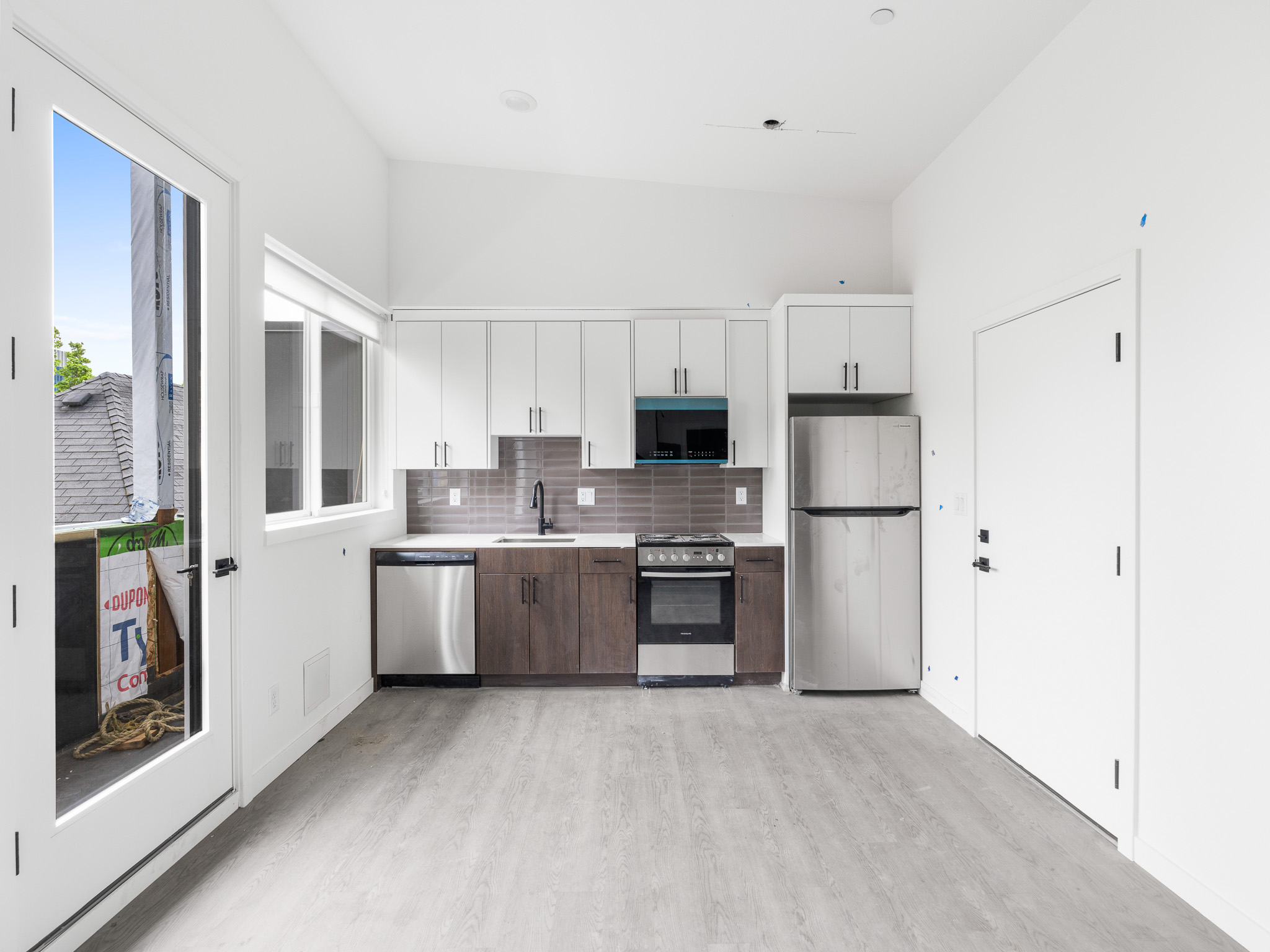
From Shell to Custom Space: How We Translate Brand into Build
Introduction: Where Brand Identity Meets Physical Space
Turning an empty commercial shell into a fully realized environment is rarely a simple construction exercise. It is an interpretive process that transforms abstract ideas—brand values, visual identity, customer experience—into tangible architectural form. When executed correctly, the finished space communicates the organization’s personality as clearly as its marketing materials.
This transformation is what we call brand-to-build. It represents the journey from conceptual identity to physical environment, where materials, lighting, layout, and structural decisions work together to reinforce the brand’s message. While architects and designers establish visual direction, contractors ultimately translate those ideas into built reality.
At Modern Northwest, this translation is treated as a collaborative craft rather than a purely technical task. The team works closely with designers, clients, and consultants to ensure that each detail—from millwork to mechanical integration—supports the intended identity of the space. The goal is not simply to construct a finished interior but to create an environment that embodies the client’s brand.
In this article, we explore how Modern Northwest approaches the brand to build process, guiding projects from empty shells to fully customized spaces that reflect the organizations they serve.
Understanding the Starting Point: The Commercial Shell
Many commercial projects begin as what the industry calls a “shell.” These spaces often include basic structural components such as exterior walls, roofing, primary utilities, and minimal interior finishes. While the shell provides the structural framework, it offers little indication of how the space will ultimately function or feel.
From the perspective of a construction team, shell spaces present both freedom and complexity. They allow designers and clients to imagine a wide range of possibilities, but they also require careful coordination to transform those possibilities into workable plans. Structural limitations, mechanical capacity, and building code requirements must all be considered before design ideas become reality.
Modern Northwest frequently works with shell conditions in retail developments, office buildings, and mixed-use environments throughout the Pacific Northwest. These spaces often arrive as blank canvases awaiting identity. The process of shaping them begins with a deep understanding of the client’s operational needs and brand narrative.
Rather than treating shell conditions as empty rooms, Modern Northwest views them as opportunities for strategic transformation. The design intent becomes the guide for every structural modification and interior decision that follows.
Translating Brand Identity into Physical Design
Brand identity typically exists in visual form before construction begins. Logos, color palettes, typography, and digital experiences define how customers perceive a company. Translating these elements into architecture requires careful interpretation.
Modern Northwest collaborates closely with design teams to ensure that brand characteristics are reflected in physical features. Materials might echo brand colors, spatial layouts may reflect customer interaction strategies, and lighting design can influence how products or services are experienced.
For example, a technology company may prioritize open collaborative zones and flexible workspaces that communicate innovation and transparency. A medical clinic might focus on calm lighting, intuitive circulation, and durable finishes that reinforce trust and cleanliness.
This translation process requires more than aesthetic awareness. Construction methods must support design intent without compromising durability or functionality. By maintaining open communication with designers, Modern Northwest ensures that the final build aligns with both creative vision and operational practicality.
Coordinating Design Intent with Construction Reality
Design concepts are often ambitious and bringing them to life requires careful technical planning. Materials behave differently in the physical world than they do in renderings. Structural limitations, mechanical systems, and building regulations all influence how a concept can be executed.
Modern Northwest approaches this phase through collaborative problem solving. The team reviews design drawings alongside architects and engineers to identify potential challenges before construction begins. This early coordination helps preserve the integrity of the design while ensuring feasibility.
For example, custom lighting installations may require specialized electrical infrastructure, while feature walls might involve unique framing techniques. By addressing these details early, the construction process remains aligned with the brand vision.
Guidelines from organizations such as the International Code Council help ensure that innovative design solutions still comply with safety and building standards.
Through careful coordination, design ideas evolve into buildable solutions that maintain both visual impact and structural reliability.

Material Selection as a Brand Expression
Materials play a powerful role in communicating identity. Texture, color, and durability all influence how occupants perceive a space. A carefully chosen material palette can reinforce brand values in subtle but effective ways.
Modern Northwest works with designers to source materials that align with both aesthetic goals and performance expectations. For example, reclaimed wood may communicate sustainability, while polished concrete may reflect modern minimalism.
Material decisions must also consider long-term maintenance. A visually striking finish that deteriorates quickly can undermine the brand message it was meant to support. Durability therefore becomes a critical part of the selection process.
Organizations such as the American Institute of Architects emphasize the importance of material performance and sustainability in commercial environments.
By balancing visual identity with resilience, Modern Northwest ensures that brand-driven spaces remain functional and attractive over time.
Lighting as an Architectural Storytelling Tool
Lighting influences how occupants experience a space more than almost any other design element. The same room can feel energetic, calm, or dramatic depending on how light is distributed.
Modern Northwest collaborates with lighting designers to ensure installations achieve both technical and experiential goals. Accent lighting may highlight architectural features, while ambient illumination establishes the overall mood of the environment.
Retail spaces often rely on layered lighting strategies to guide customer attention toward products or focal points. Office environments may prioritize balanced illumination that reduces eye strain while supporting productivity.
Standards from organizations such as ASHRAE inform lighting efficiency and environmental performance considerations.
Through thoughtful integration of lighting systems, the brand narrative becomes visible not only through materials but through atmosphere.
Integrating Technology and Infrastructure
Modern commercial environments depend heavily on technology. Connectivity, security systems, and audiovisual infrastructure must function seamlessly from the moment the space opens.
Modern Northwest coordinates with technology consultants to ensure that data networks, wireless coverage, and equipment installations are fully integrated into the build. This coordination prevents the need for disruptive modifications after occupancy.
Technology integration also supports brand perception. Smart conference rooms, interactive displays, and digital signage can reinforce innovation and enhance customer engagement.
By incorporating technology infrastructure early in the construction process, Modern Northwest ensures that brand-driven spaces remain adaptable to future needs.

Managing the Transition from Construction to Occupancy
The final stages of a project determine how smoothly a brand-driven space transitions into active use. Even the most thoughtfully designed environments require careful coordination before tenants move in.
Modern Northwest conducts comprehensive system testing and walkthrough sessions with clients to ensure every component functions as intended. Lighting controls, HVAC zones, and security systems are demonstrated so occupants feel confident operating their space.
Detailed documentation packages accompany the turnover process. These materials include equipment manuals, maintenance guidelines, and warranty information to support long-term performance.
When turnover is handled effectively, the transition from construction site to operational space feels natural rather than disruptive.
Why the Brand to Build Process Matters
The brand to build journey ultimately shapes how customers and employees perceive a company’s physical presence. A well-executed space communicates professionalism, consistency, and identity without relying on signage alone.
Modern Northwest recognizes that construction decisions influence these perceptions at every stage. From framing layouts to finish installations, each detail contributes to the larger narrative of the brand.
Spaces that successfully translate identity into architecture create stronger emotional connections with occupants. Customers feel immersed in the brand experience, while employees gain a workplace that reflects the organization’s culture.
For these reasons, Modern Northwest treats every brand-driven project as a collaborative interpretation rather than a simple build.
Conclusion: From Vision to Built Experience
Transforming a commercial shell into a customized space requires more than technical expertise. It demands an understanding of how physical environments communicate identity, support operations, and shape human experience.
Modern Northwest approaches the brand to build process as an ongoing collaboration between designers, clients, and construction professionals. By aligning creative vision with construction precision, the team ensures that brand identity is preserved from concept to completion.
Through thoughtful planning, careful material selection, integrated technology, and coordinated construction, shell spaces evolve into environments that fully reflect the organizations they house.
If you are preparing to transform a commercial shell into a space that expresses your brand clearly and confidently, Modern Northwest offers the expertise and collaborative approach required to bring that vision to life.
Internal Links
Modern Northwest Home
Our Services
Contact Us
External Links
International Code Council
American Institute of Architects
ASHRAE
