
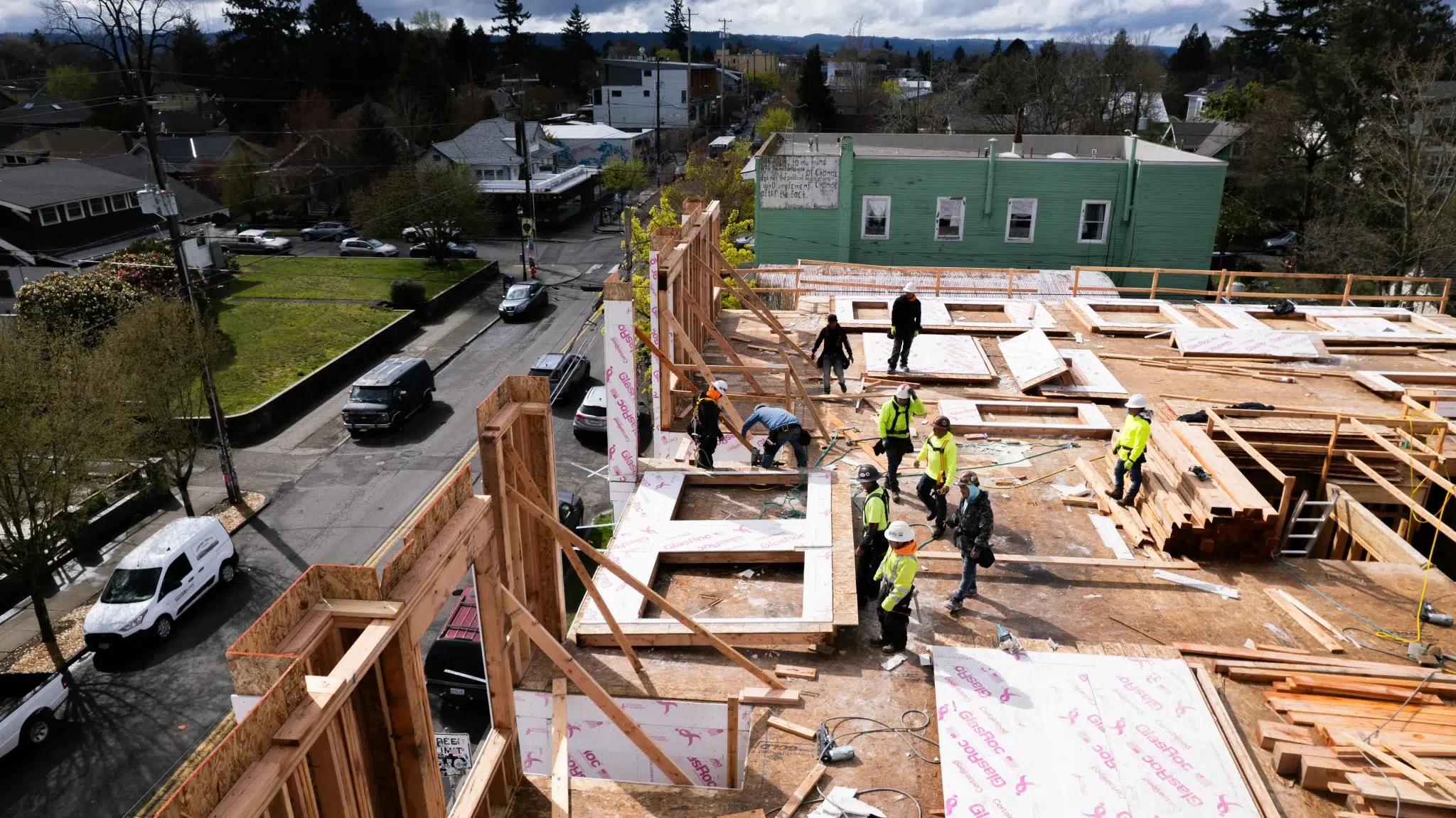
How We Coordinate Inspections to Avoid Schedule Bottlenecks
Introduction: Why Inspection Coordination Determines Construction Momentum
Inspection coordination rarely receives the same attention as architectural design, engineering strategy, or interior finishes, yet it quietly governs the rhythm of construction. Every commercial project moves through a sequence of regulatory approvals that confirm structural safety, mechanical integrity, electrical reliability, and life-safety compliance. These inspections represent formal checkpoints where work must pause momentarily while authorities verify that installations meet code requirements. When handled effectively, inspections reinforce progress. When mismanaged, they become obstacles that stall construction timelines.
Modern Northwest recognizes that inspections are not simply administrative obligations. Instead, they function as structural milestones that determine whether the project can advance from one phase to the next. Structural framing cannot be enclosed until inspections confirm its stability. Electrical wiring cannot be concealed until inspectors verify proper installation. Mechanical systems cannot operate fully until they pass regulatory review. Each stage of construction depends on inspection approval to unlock the next layer of work.
Without strong inspection coordination, even the most carefully planned schedules can collapse under pressure. A single delayed inspection can prevent drywall installation, postpone finishing work, and disrupt subcontractor schedules across multiple trades. Labor crews may remain idle while awaiting approval, materials sit unused on site, and the project timeline stretches beyond its intended boundaries.
Modern Northwest addresses this challenge by embedding inspection coordination into the core project management strategy. Instead of treating inspections as interruptions, the team integrates them into the construction workflow, aligning regulatory approvals with project milestones to maintain steady momentum.
Understanding the Purpose and Impact of Construction Inspections
Construction inspections serve a critical role in ensuring that buildings meet safety standards and engineering expectations. These evaluations protect both property owners and future occupants by confirming that structural systems, electrical infrastructure, plumbing installations, and fire protection measures have been implemented correctly. Without these oversight mechanisms, errors could remain hidden until they create serious safety hazards or costly structural failures.
However, inspections influence construction schedules in ways that many project stakeholders initially underestimate. Because inspectors must verify work before it becomes concealed by subsequent layers of construction, timing becomes essential. Structural inspections occur before walls are enclosed, plumbing inspections before fixtures are installed, and electrical inspections before ceiling systems are completed. These dependencies create a sequence where inspection approval directly controls when construction activities may proceed.
Modern Northwest approaches inspections with a comprehensive understanding of these dependencies. Project managers carefully map inspection milestones within the broader construction timeline, ensuring that each review occurs at the exact moment when the installation is complete yet still accessible for evaluation. This foresight allows inspections to reinforce progress rather than interrupt it.
Industry organizations such as the International Code Council (ICC) provide regulatory frameworks that guide many of the inspection procedures used throughout the United States and Canada. Familiarity with these guidelines allows construction teams to anticipate compliance requirements early and prepare installations accordingly.
By recognizing inspections as both safety mechanisms and scheduling events, Modern Northwest ensures that each regulatory review contributes to project stability rather than schedule disruption.
Planning Inspection Coordination During Preconstruction
Effective inspection coordination begins long before inspectors arrive on site. During the preconstruction phase, Modern Northwest conducts detailed reviews of building codes, permit requirements, and municipal inspection procedures to understand exactly which evaluations will be required throughout the project lifecycle. This planning stage identifies not only the types of inspections needed but also the sequence in which they must occur.
For example, structural framing inspections typically precede mechanical rough-ins, which in turn precede insulation and drywall installation. Electrical systems must pass inspection before ceilings are closed, while fire suppression systems must be reviewed before final occupancy approval. Each inspection serves as a checkpoint that enables subsequent work to proceed safely.
Modern Northwest integrates these inspection milestones directly into the project schedule. Instead of requesting inspections only after work is completed, the team anticipates when approvals will be required and schedules them accordingly. This proactive approach ensures that inspectors are available when construction progress demands their review.
Preconstruction coordination also involves communication with subcontractors. Each trade partner must understand when their work will be inspected and what preparation is required. By aligning expectations early, the team ensures that installations are ready for inspection at the correct time rather than requiring last-minute adjustments.
Preparing the Site for Inspection Success
Inspection coordination is not only about scheduling; it depends heavily on how thoroughly the construction site is prepared before an inspector ever arrives. A well-organized job site allows inspectors to evaluate installations efficiently, which significantly increases the likelihood that approvals will be granted during the first visit. When inspectors encounter disorganized workspaces, incomplete installations, or unclear documentation, the evaluation process slows dramatically. Even small uncertainties may require follow-up visits, and those additional inspections can create schedule disruptions that ripple across multiple trades.
Modern Northwest approaches inspection preparation with the same discipline used in structural planning and design coordination. Before any inspection request is submitted, the team conducts internal verification walks to ensure that installations match the approved construction drawings and engineering specifications. Supervisors review framing alignments, verify that electrical systems follow permitted layouts, confirm that plumbing connections are installed correctly, and inspect mechanical components for proper placement and accessibility. These internal reviews function as proactive quality checks, identifying potential concerns before they reach the attention of regulatory inspectors.
Beyond verifying installation accuracy, Modern Northwest also focuses on ensuring that every inspected system remains clearly visible and accessible. Inspections are most effective when the components being evaluated can be seen without obstruction. Electrical junction boxes remain uncovered, piping routes are not concealed prematurely, and framing assemblies remain exposed until inspectors confirm compliance. This deliberate sequencing ensures that inspectors can evaluate each system thoroughly without requiring demolition or re-exposure of completed work.
Site organization further contributes to inspection efficiency. Equipment, materials, and temporary structures are arranged so they do not block inspection pathways or conceal essential installations. Electrical panels are labeled clearly, plumbing lines are arranged logically, and mechanical equipment is positioned so inspectors can observe mounting conditions and connection details. This level of preparation demonstrates professionalism and communicates to inspectors that the project team values accuracy and compliance.
Documentation also plays a critical role in preparing for inspection success. Modern Northwest compiles all required permits, approved drawings, engineering approvals, and product data sheets before inspection day. When inspectors request clarification regarding a particular component or installation method, these materials are readily available for immediate reference. Having documentation organized and accessible reduces uncertainty, accelerates decision-making, and reinforces confidence that the project is being managed responsibly.
By approaching site preparation with this level of care, Modern Northwest increases the likelihood that inspections will be completed quickly and successfully. Each inspection becomes an efficient verification step rather than a disruptive delay, helping maintain steady progress throughout the construction process.

Coordinating Subcontractors for Inspection Readiness
Commercial construction projects involve numerous subcontractors whose work intersects within the same physical spaces. Electrical contractors install conduits through framing assemblies, plumbers run piping through mechanical rooms, and HVAC specialists integrate ductwork throughout ceilings and walls. Because these systems overlap, inspection readiness requires careful coordination among trades.
Modern Northwest organizes regular coordination meetings where subcontractors review upcoming inspection milestones and confirm that their installations will be complete in time for evaluation. These meetings help identify potential conflicts early, such as wiring that must be rerouted before a structural inspection or plumbing adjustments required before drywall installation.
By aligning subcontractor schedules with inspection timelines, the team ensures that all required installations are visible and accessible when inspectors arrive. This prevents the common scenario where one trade is ready for inspection while another has not yet completed its portion of the work.
The result is a collaborative environment where inspection readiness becomes a shared objective rather than an individual responsibility. Each subcontractor understands how their work contributes to the broader inspection process and how timely completion supports the project schedule.
Building Productive Relationships with Inspectors
Inspection coordination also involves professional relationships with the individuals responsible for evaluating the work. Inspectors play an essential role in maintaining public safety, and their collaboration can greatly influence the efficiency of the inspection process.
Modern Northwest prioritizes respectful communication and transparency during inspections. Site supervisors greet inspectors promptly, provide clear explanations of installations, and guide them through relevant areas of the project. This professionalism helps establish trust and demonstrates the team’s commitment to quality construction.
Consistency reinforces these relationships over time. Inspectors who repeatedly encounter organized sites and well-prepared teams develop confidence in the construction company’s practices. This familiarity often leads to more efficient inspections and constructive feedback when adjustments are necessary.
Although inspections remain independent evaluations, positive professional relationships help create an environment where communication is clear and expectations are understood by everyone involved.
Managing Inspection Schedules in Urban Construction Environments
Urban construction projects often present additional challenges for inspection coordination. Municipal inspection departments typically oversee many projects simultaneously, and availability may fluctuate depending on staffing levels and workload. Securing timely inspection appointments therefore requires proactive scheduling.
Modern Northwest monitors inspection calendars closely and submits requests well in advance of the desired inspection date. This approach ensures that inspections occur when the project schedule requires them rather than when inspectors happen to be available.
Urban sites also require logistical planning. Inspectors must be able to access the project safely despite traffic restrictions, neighboring properties, and limited staging areas. Maintaining clear entry points and organized work zones helps inspectors complete their evaluations efficiently.
By anticipating these logistical factors, Modern Northwest ensures that inspection visits occur smoothly even in complex urban environments.
Integrating Inspection Milestones into the Construction Schedule
Inspection coordination becomes most effective when inspection milestones are integrated directly into the project schedule. Each approval represents a transition between phases of work, and the schedule must reflect these transitions clearly.
Modern Northwest uses digital project management systems to track inspection readiness alongside construction progress. These platforms allow project managers to visualize how upcoming inspections affect subsequent tasks, ensuring that subcontractors arrive on site only when approvals have been secured.
For example, drywall installation cannot begin until framing, electrical, and plumbing inspections have passed. By monitoring these dependencies carefully, the team prevents subcontractors from arriving prematurely or waiting unnecessarily for approval.
This level of scheduling precision transforms inspections from potential delays into predictable milestones that support continuous progress.

The Long-Term Benefits of Effective Inspection Coordination
Inspection coordination provides benefits that extend far beyond maintaining construction schedules. Projects that pass inspections efficiently often demonstrate higher quality because installations have been reviewed carefully at each stage of construction.
Owners benefit from predictable timelines and reduced labor inefficiencies, while subcontractors appreciate clear expectations that prevent rework. Future occupants benefit most of all, receiving buildings that meet rigorous safety and performance standards.
Professional organizations such as the American Institute of Architects (AIA) emphasize the importance of coordination and compliance throughout the construction process.
When inspection coordination is handled thoughtfully, it reinforces both regulatory compliance and construction excellence.
Conclusion: Turning Inspections into Forward Momentum
Inspection coordination may appear to be a technical detail within the broader construction process, but in reality, it plays a decisive role in determining whether projects advance smoothly or encounter repeated delays. By anticipating inspection requirements, preparing installations thoroughly, and integrating regulatory reviews into the project schedule, construction teams can transform these checkpoints into catalysts for progress.
Modern Northwest has developed a disciplined approach to inspection coordination that combines careful planning, subcontractor collaboration, and strong communication with regulatory authorities. Each inspection becomes a confirmation that the project is moving forward safely and efficiently.
Through this proactive strategy, inspections no longer function as bottlenecks but as structured milestones that guide the project toward completion. For clients and partners, this approach provides confidence that construction will progress with both stability and compliance.
Internal Links
Modern Northwest Home
Our Services
Contact Us
External Links
International Code Council
American Institute of Architects
ASHRAE
