
Tenant Improvement Allowance: 2026 Ranges, What It Covers, and How to Get More
A tenant improvement allowance is the money a landlord puts toward building out your leased space, almost always quoted as a dollar amount per square foot. Commercial real estate guides usually tie it to a share of your annual rent, often around 5 to 20 percent of one year's rent, and up toward 25 to 150 percent of a year's base rent on stronger, longer deals. A commonly cited example is a $20 per square foot allowance, which on a 10,000 square foot suite is $200,000 toward the build-out.
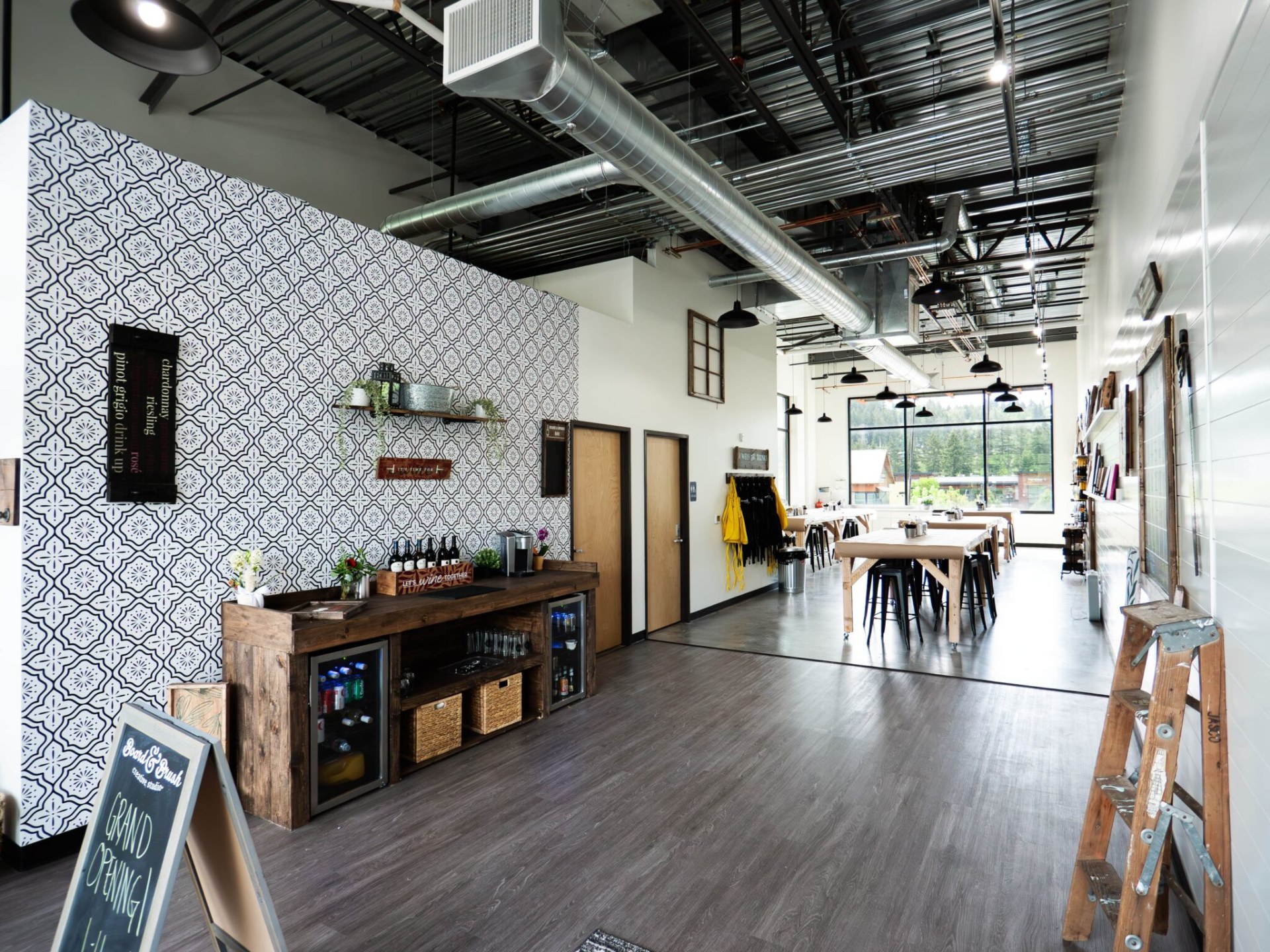
Most guides on this topic are written by brokers or accountants. This one is written by the people who do the building, so it covers the part that actually matters once the lease is signed: turning that allowance into a finished space.
What is a tenant improvement allowance?
When you lease commercial space, it rarely comes ready to use. It is either a bare shell or set up for the last tenant. The work to make it yours, walls, flooring, lighting, plumbing, a reception area, exam rooms, is called tenant improvements (TI). A tenant improvement allowance is the landlord's contribution toward that work, offered to get you to sign the lease.
The improvements usually stay with the building when you leave, which is why they are also called leasehold improvements, and part of why the landlord is willing to pay for them.
How a TI allowance works (the three ways it gets paid)
Landlords deliver the allowance in one of three ways, and which one you get matters more than the dollar figure:
- Turn-key. The landlord builds the space to an agreed plan and pays the contractors directly. Simplest for you, but the least control.
- Reimbursement (fixed dollar amount). The most common setup. You pay for construction up front, then the landlord reimburses you after the work is done, against invoices and lien waivers, often within 30 to 60 days.
- Amortized into rent. The landlord funds the build-out up front and you pay it back inside your rent over the lease term, with interest.
The most common surprise for first-time tenants is the reimbursement model: you may have to front the money and wait to be paid back. Plan your cash flow around it.
How much is a normal TI allowance?
It depends on the space, its condition, your lease length, and your market. Allowances are quoted per square foot, and a useful rule of thumb is that they track a share of your annual rent, roughly 5 to 20 percent for most space types, stretching higher on longer, stronger deals.
For a sense of per-square-foot ranges by space type, here is one published breakdown from a commercial real estate guide. Treat these as national ballparks, not a quote. They vary a lot by market and by how finished the space already is.
| Space type | Typical allowance (per sq ft) |
|---|---|
| Office, already built out | $10 to $30 |
| Office, white box | $30 to $60 |
| Office, cold shell | $60 to $100 |
| Retail, already built out | $10 to $25 |
| Retail, bare shell | $50 to $100 |
| Restaurant | $100 to $250+ |
| Medical / dental | $50 to $150 |
| Industrial, already built out | $5 to $15 |
| Industrial / flex (shell + office) | $15 to $40 |
Source: Tyler Cauble CRE guide. Ranges vary by market and space condition.
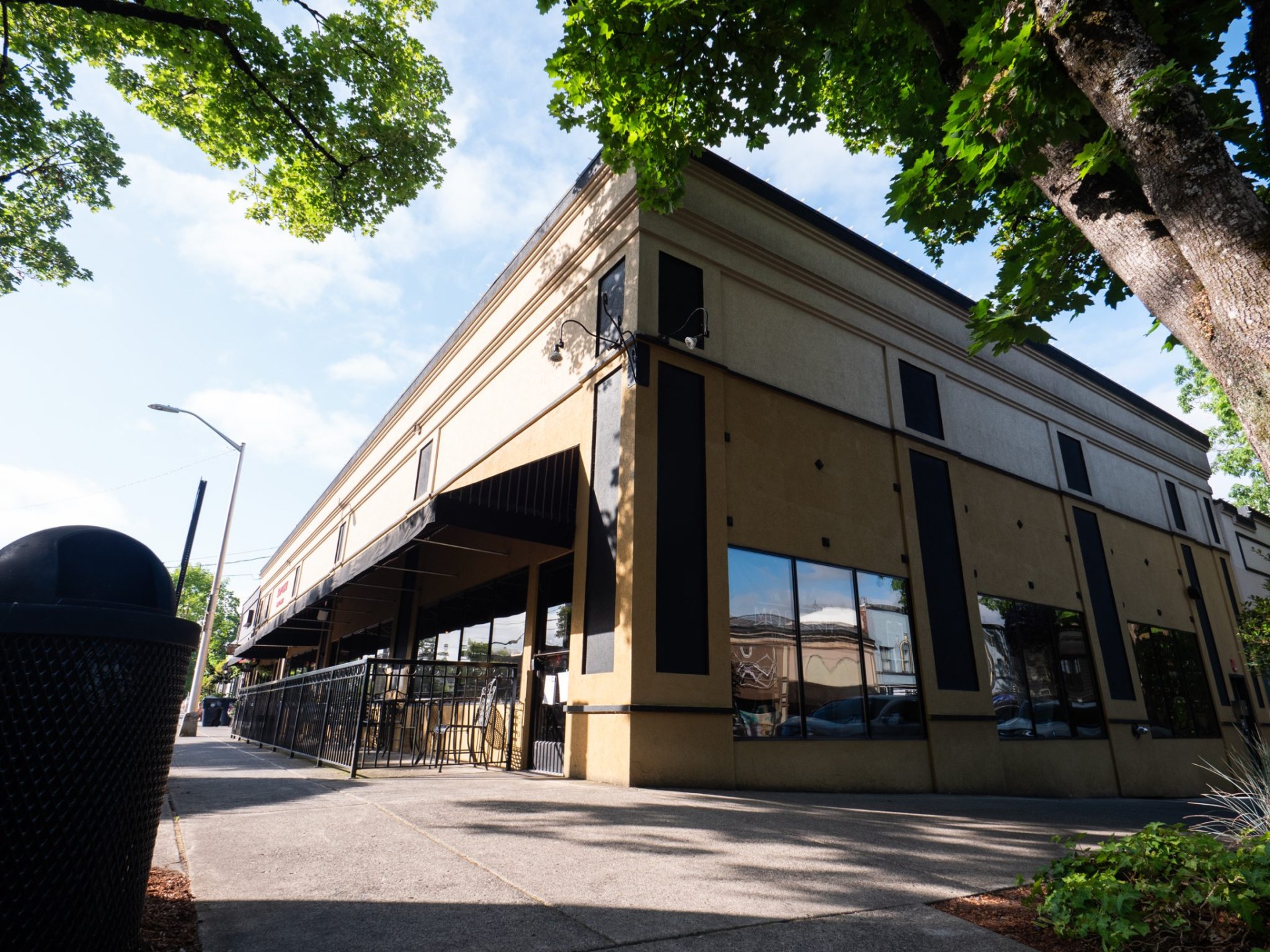
What a TI allowance covers (and what it does not)
An allowance is meant for the permanent construction of the space, not your business's movable property. Across the major guides the line is consistent:
| Usually covered | Usually NOT covered (you pay) |
|---|---|
| Demising walls, framing, ceilings | Furniture, fixtures, and equipment |
| Flooring and paint | IT and data cabling, phone lines |
| Lighting and electrical | Signage |
| HVAC distribution | Moving costs |
| Basic plumbing | Window coverings |
| Permits (often design and architect fees too) | Day-to-day operating costs |
Specialized equipment lives in a grey zone. Things like exhaust hoods, walk-in coolers, or dental chairs are sometimes covered if they stay with the building, and sometimes not. Get this in writing.
Who pays if the build-out costs more than the allowance?
You do, unless you negotiated otherwise. If the allowance is $15 per square foot and the work comes in at $20, the landlord's contribution does not grow unless it was agreed to in advance. This is exactly why an accurate construction estimate before you sign matters: it tells you whether the allowance covers the space you want or whether you are about to fund the gap.
How to negotiate a bigger TI allowance
- Lease term. The biggest lever. A longer term usually unlocks more TI, because the landlord earns it back over more years.
- Your credit strength. Strong financials, or a personal guarantee, give the landlord confidence to fund more.
- Trade other concessions. You can often convert free-rent months into additional TI, or the reverse.
- Ask for long-term improvements. Landlords would rather fund things that outlast you, like HVAC and electrical, than your custom finishes.
- Use a tenant rep. An experienced broker negotiates these for a living.
Hidden costs to watch
- A landlord supervision or construction management fee, often a few percent of the TI amount.
- Approved-contractor or union-labor requirements that can raise your bid.
- Makegood or restoration clauses that require returning the space to its original condition at lease end.
Tenant improvement allowances in Portland and SW Washington
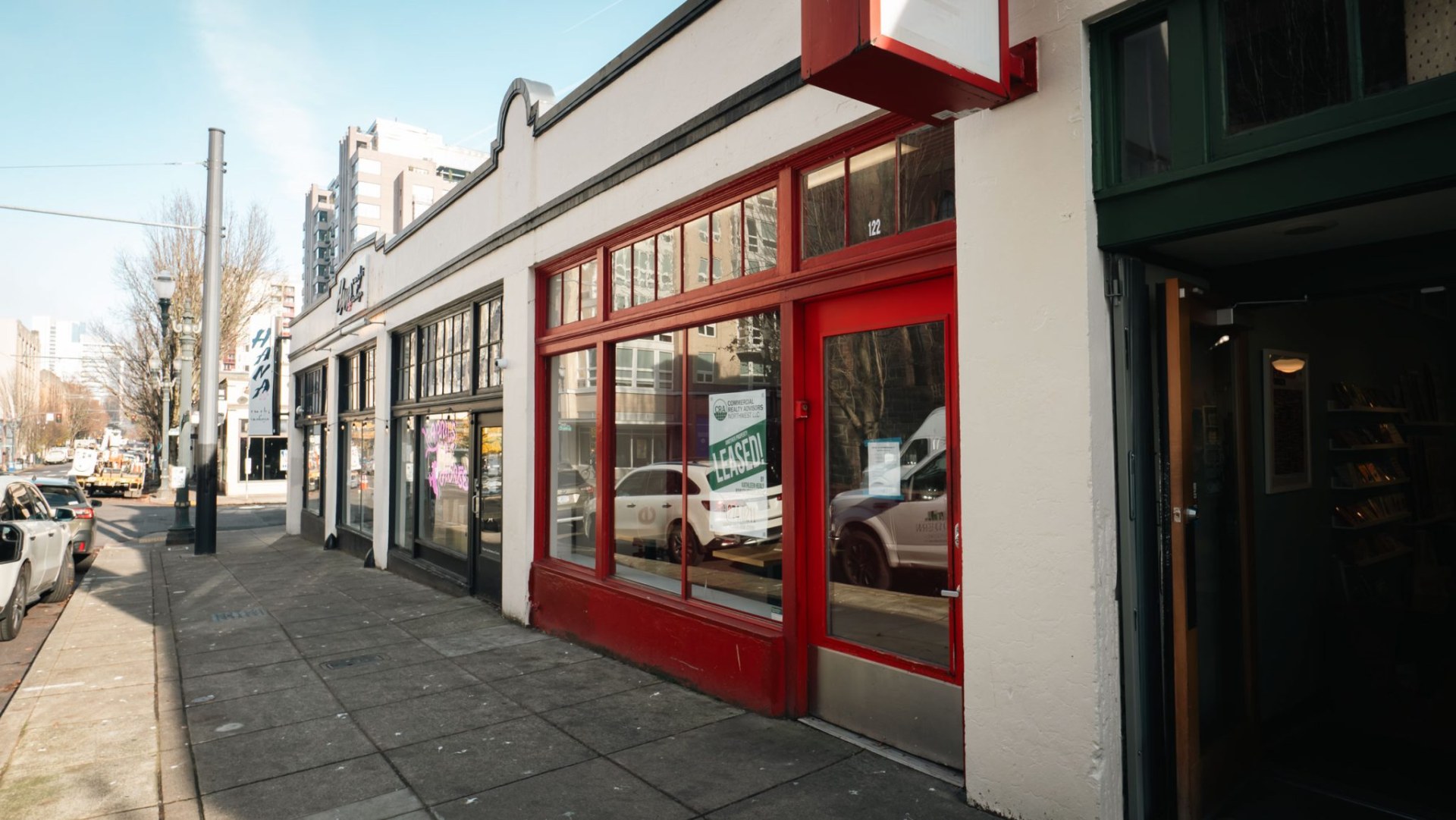
Modern Northwest builds out offices, medical and dental suites, retail, and restaurants across Portland and Southwest Washington. Local build-out costs move with labor, permit timelines, and the condition of the space you start from, so the only number that really matters is the one for your specific space. The smartest move before you sign a lease is to get a real construction estimate, so you know whether the allowance covers your build-out or leaves a gap you will fund yourself.
Frequently asked questions
What is a tenant improvement allowance in simple terms?
It is money the landlord puts toward building out your rented space, usually a set dollar amount per square foot, used for construction like walls, flooring, lighting, and plumbing.
Who pays for tenant improvements?
The landlord covers them up to the allowance. Anything above the allowance is on you, unless you negotiated more in advance. In the most common setup, you pay the contractor first and the landlord reimburses you.
How much is a typical TI allowance?
It is quoted per square foot and often runs about 5 to 20 percent of a year's rent, with wide variation by space type and condition. A second-generation office is far less than a restaurant or a medical build-out.
Does the allowance cover furniture or equipment?
Generally no. Furniture, IT cabling, and movable equipment are on the tenant. The allowance is for permanent construction.
What happens if my build-out costs more than the allowance?
You pay the difference unless the lease says otherwise, which is why you want a real construction estimate before signing.
Who owns the improvements after the lease?
Usually the building. Most tenant improvements stay with the space as leasehold improvements when you move out.
The bottom line
A tenant improvement allowance can cover a large share of your build-out, but only if you know what it includes, how it is paid, and how to negotiate it. Before you sign, get a real construction estimate for the space you actually want, so you know whether the allowance covers it or leaves a gap.
Modern Northwest is a commercial general contractor in Portland that builds out offices, medical and dental suites, retail, and restaurants across Portland and SW Washington. See our tenant improvement work, or reach out for a free walkthrough and estimate.
Planning a build-out?
Get a real estimate for your space before you sign. Reach out for a free walkthrough.
Request a Free Consultation