
What Is a Change Order in Construction? How They Work and How to Keep Them Few
A change order is a written change to a construction contract after it is signed. It records what changes in the work and any change to the price and the schedule, and it is signed by the owner and the contractor, plus the architect on architect-led jobs. Under the standard AIA contract there are three ways to change the work: a change order when everyone agrees, a construction change directive when the work has to go ahead before the price is settled, and a minor change the architect can order alone when it does not touch price or time.
| Method | Who signs | Price or time changes? | When it is used |
|---|---|---|---|
| Change order | Owner, contractor, architect | Yes, agreed in it | Everyone agrees on the change, the cost and the schedule |
| Construction change directive | Owner and architect | Yes, settled later | The work has to proceed before the cost or time is agreed |
| Order for a minor change | Architect | No | A small change that fits the intent of the drawings |
From Article 7 of the AIA A201 general conditions. Other contract forms use different names for the same ideas.
Want fewer surprises on your job? We price designs while they can still change and walk existing spaces before the numbers are final. Licensed in Oregon (CCB #198582) and registered in Washington (L&I MODERNI888R7). Call (360) 326-2747.
How a change order works
Someone proposes a change: the owner wants something different, the architect revises a detail, or the contractor finds a condition nobody could see. The contractor prices it, including what it does to the schedule. The owner and architect review it. When they agree, everyone signs the change order, and the contract sum and contract time are adjusted to match.
If the work cannot wait for that agreement, a construction change directive lets it go ahead. The owner and architect sign it, the contractor does the work, and the price and time are settled afterward under the contract, then recorded in a change order. For small changes that do not affect price or time, the architect can issue a written order for a minor change. Under the 2017 version of the AIA general conditions, a contractor who thinks a "minor" change will cost money or time has to say so before doing it.
Why change orders happen on build-outs
- The owner changes the scope. A new room, a different finish, more outlets. These are the easiest to control, because they are choices.
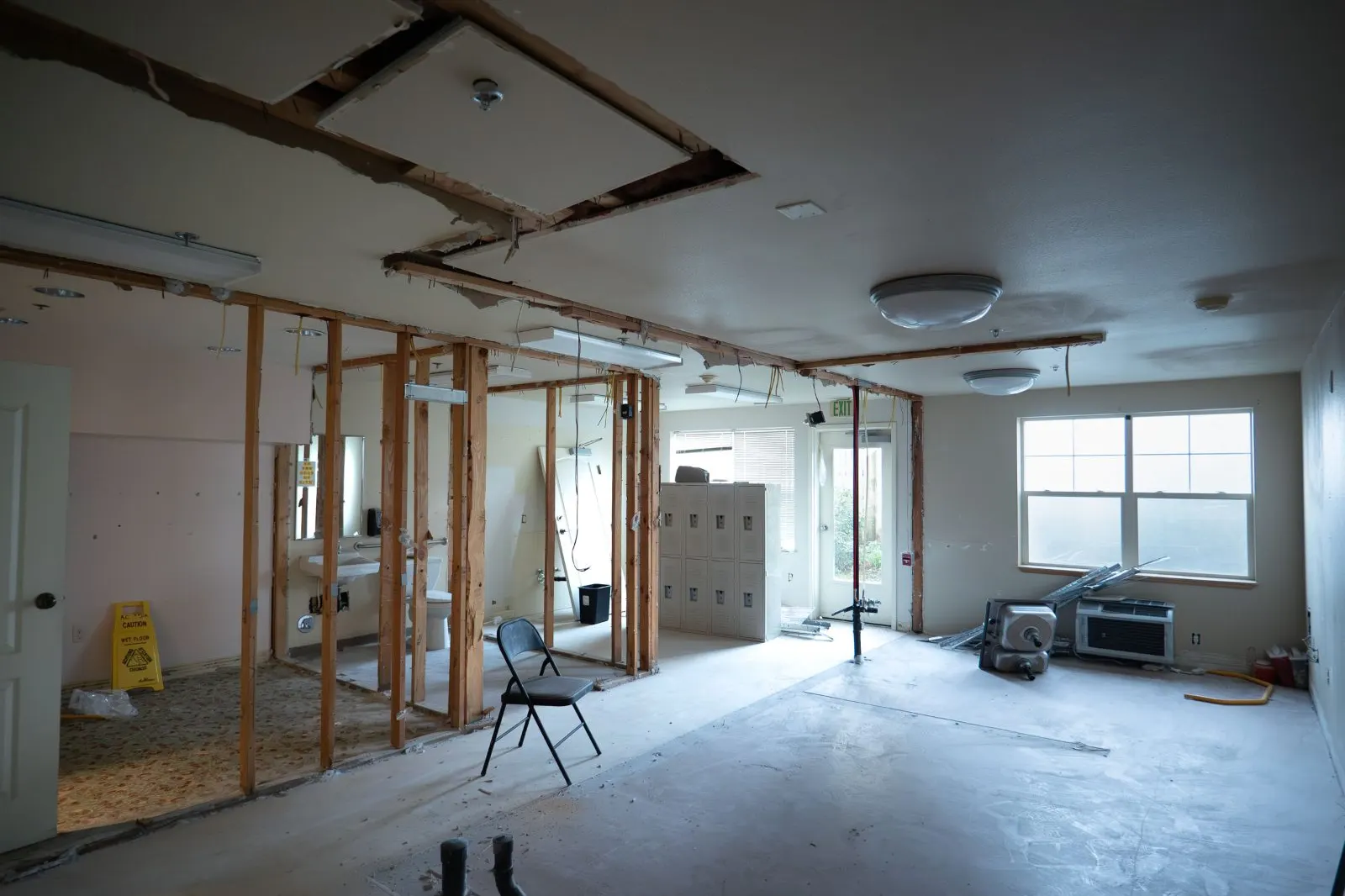
- Hidden conditions. What is behind the walls, under the floor or above the ceiling in an existing building. Remodels like Cherry Park, where the work goes room by room through an older building, and conversions like our 23,000 square foot Rite Aid to Ace Hardware job are where these show up.
- Gaps or errors in the drawings. Something drawn that cannot be built as shown, or something the drawings leave out.
- Code or inspector requirements. A requirement that comes up during review or inspection, like the accessibility upgrades an alteration can trigger.
How to keep them few
- Survey the existing space first. In Oregon, a commercial renovation needs an asbestos survey before work starts. Our office renovation guide covers that and other surveys that take surprises out of the budget.
- Bring the builder in during design. Pricing the design while it can still change is cheaper than changing it after the contract. That is the point of CMAR, design-build and our preconstruction step.
- Decide before you sign. Finishes, fixtures and equipment you have not chosen go in as allowances, placeholder amounts, and the final choice can move the price. How allowances differ from contingency is in allowance vs contingency. The more you decide early, the fewer surprises.
- Carry a contingency. About 10 to 15 percent on top of the budget is the range our office renovation guide cites, more on older buildings.
- Use value engineering early, not as a fix later. Ideas taken during design go into the drawings. Ideas taken after the contract often go in as change orders.
What to check on a change order
- The scope, in words. What exactly is added, removed or changed, tied to a drawing or sketch.
- The price breakdown. Labor, material, subcontractor costs and the markup the contract allows.
- The schedule. Whether the change adds days, and whether that moves the finish date.
- That it is signed before the work. Unless a directive was used, work done on a handshake is where disputes start.
Related terms are in our commercial construction glossary, and how the end of a job is handled is in substantial completion and the punch list.
Frequently asked questions
What is a change order in construction?
A written change to the construction contract after it is signed, agreed by the owner, the contractor and, on architect-led jobs, the architect. It records what changes in the work and any change to the price and the schedule.
What is the difference between a change order and a construction change directive?
A change order is signed once everyone agrees on the work, the price and the time. A construction change directive is signed by the owner and architect so the contractor can proceed before the price or time is settled; it becomes a change order once they agree.
Does every change need a change order?
No. Under the standard AIA general conditions, the architect can order a minor change in writing if it fits the intent of the drawings and does not change the price or the schedule. If it would, the contractor has to say so before doing the work.
Can a contractor refuse a change order?
A change order is an agreement, so it needs both sides. When the parties do not agree on price or time, the owner can usually direct the work with a construction change directive and settle the cost later under the contract.
Do change orders count against a guaranteed maximum price?
Owner-requested changes in scope usually adjust the guaranteed maximum price through a change order. Costs inside the original scope that run over are generally the contractor's risk. Check how your contract treats contingency and allowances.
The bottom line
A change order is the agreed, written change to the work, the price and the schedule after the contract is signed. Some are unavoidable, especially in existing buildings. Most of the avoidable ones come from decisions made late, so survey the space, price the design early and decide what you can before you sign.
Modern Northwest has built and remodeled commercial space across Portland and Southwest Washington since 2005. Tell us about your project and we will walk it before we price it.
Sources
- AIA Contract Documents, "What Is a Construction Change Order? AIA Forms and Process"
- AIA Document A201-2017, General Conditions, Article 7 (University of Wisconsin procurement copy, PDF)
- Faegre Drinker, "Changes in Article 7 of AIA Document A201-2017: What Contractors Need to Know"
- Young Architect, "What Is a Change Order in Construction?"
Want fewer surprises?
Tell us about the space. We will walk it and price it with you before the contract, so the changes come early or not at all.
Request a Free Consultation