How to Choose a Commercial General Contractor in Portland: 8 Checks
To choose a commercial general contractor in Portland, check the license on the state record, ask for finished jobs like yours with addresses and dates, learn who will actually run the job, and get a budget and schedule before you commit. Eight checks cover it, and most take a few minutes.
A note on where this comes from: we are a commercial general contractor in Portland, so we are not neutral. We will not rank ourselves against anyone here. Every check below can be run on us the same way you run it on anyone else, and we show where to look.
The 8 checks at a glance
| Check | What to look for | Where to verify |
|---|---|---|
| 1. License | A commercial endorsement in Oregon, an active registration in Washington | CCB search, L&I Verify |
| 2. Who holds it | The responsible managing individual on the record | CCB search |
| 3. Insurance | A current certificate sent to you | Ask the contractor |
| 4. Similar work | Your building type, with addresses and dates | Their project pages, a site visit |
| 5. The people | A named project manager and superintendent | The proposal |
| 6. Budget and schedule | Both on paper before you commit | The proposal |
| 7. Contract and permits | The contract type, and who pulls the permit | The contract |
| 8. Reviews | Reviews that name a job and a person |
1. Check the license on the state record
Do not rely on a logo or a number in a footer. Look it up. In Oregon, use the Construction Contractors Board search. Commercial work calls for a commercial endorsement, which comes in two levels. The state says Level 1 and Level 2 allow the same scope of work. Level 1 requires key employees with 8 years of construction-related experience, Level 2 requires 4 years, and Level 1 carries a higher insurance requirement.
In Washington, use the L&I Verify tool. It shows whether the registration is active, whether the workers comp account is paid to date, any safety citations, and any lawsuits against the bond. Ours are CCB #198582 in Oregon, a Commercial General Contractor Level 2, and MODERNI888R7 in Washington.
2. See who holds the license
Oregon says every licensee must have a responsible managing individual. That person has passed a business practices and law exam. It is a good name to know, and it tells you whether the people you are meeting are connected to the company on the record.
3. Get a certificate of insurance
Ask for a current certificate of insurance and read the dates on it. A contractor who does commercial work should be able to send one without any fuss. Your landlord may require specific coverage too, so give your lease requirements to the contractor early. We send ours on request.
4. Ask for finished jobs like yours
"We do everything" tells you little. Ask for jobs of your type, with the address, the size and the dates. A clinic raises different questions than a shop. On our 3,650 square foot Animal Care Center job in Salem, field questions covered kennel locations, surgery light support and the imaging room power plan. A contractor who has done your building type should be able to tell you what came up.
Then go look, if you can. Finished jobs with a real address are easy to check. Our project pages list the address, dates and scope for each job, and you can hold us to them. For a sense of how long jobs take, see our real dates from 8 tenant improvements.
5. Find out who will run your job
Ask who your project manager and your superintendent will be, by name, and meet them if you can. The person who sells a job is often not the person on site every day. Ask how many other jobs that person is running at the same time, and who you call when something comes up. On our recent jobs the names on the record include project managers Justin Stangel and Allen Murray, and general superintendent Tony Rieger.
6. Get a budget and schedule before you commit
A number alone is not enough. Ask what is included and what is left out, and what the schedule depends on. Ask how allowances work too, since they can hide open questions. Our guide on allowance vs contingency explains the difference. If you have several bids, line them up by scope before you compare totals. Bid leveling shows how.
7. Read the contract type and the permit line
Ask which contract the job will use and why. A guaranteed maximum price, a lump sum and a cost-plus contract each put risk in a different place, as our cost-plus vs lump sum guide explains. Design-build changes who holds the design, covered in design-build vs design-bid-build.
Get the permit in writing as well: who pulls it, who answers corrections, and who pays the fees. See who is responsible for pulling permits. Ask how change orders, retainage and lien waivers will be handled while you are at it, because those are the items that cause trouble at the end of a job.
8. Read reviews for names and jobs
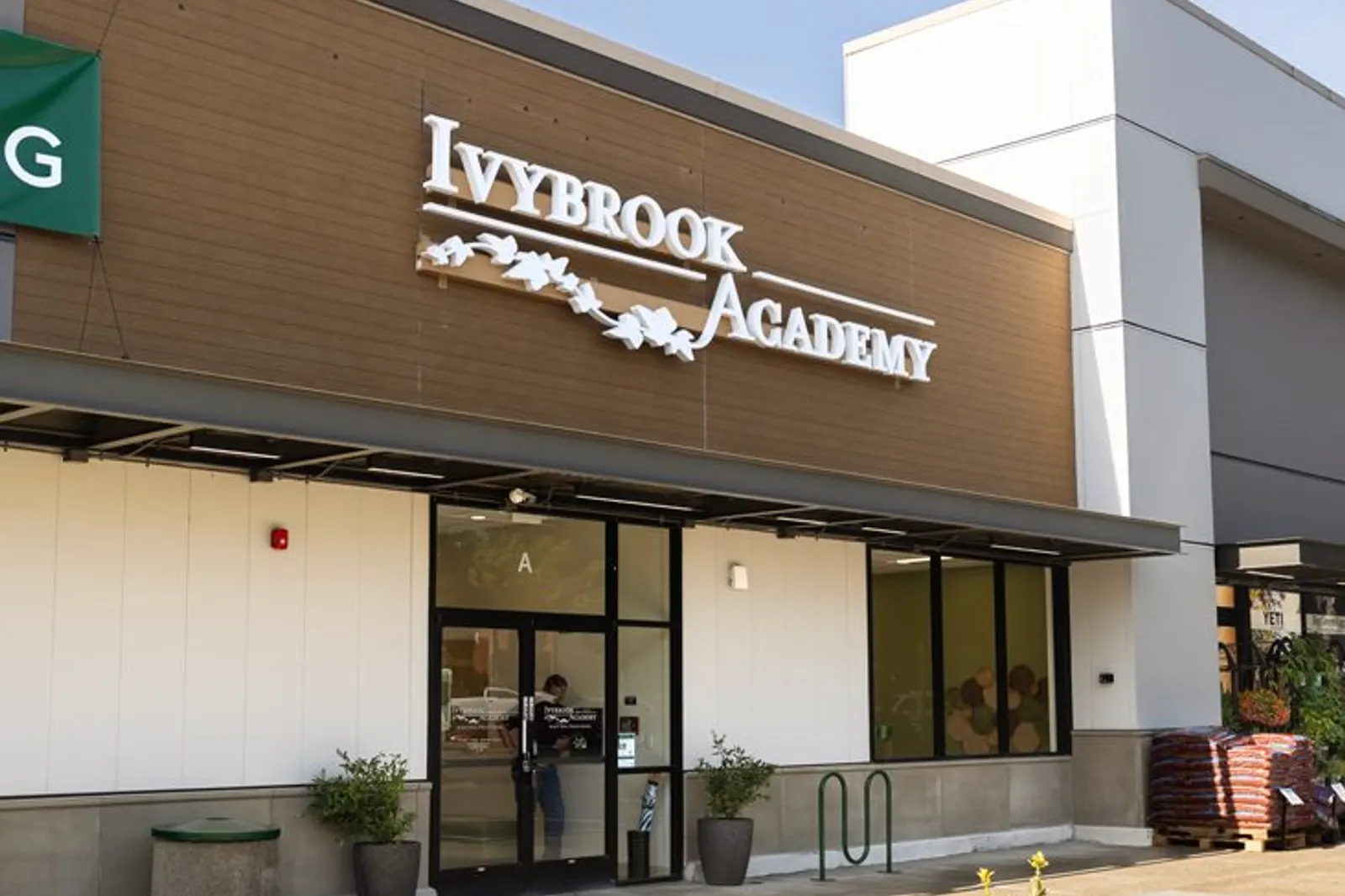
A star rating says little by itself. Look for reviews that name a project and a person, since those are hard to fake and they tell you who did the work. A Google review of ours from Ivybrook Academy names Tony, Justin, Jeff and Arthur on our team. Read how a contractor answers a bad review, too.
Red flags
- The license is not on the state record, or the name on the record does not match the contract.
- No finished jobs of your type, or none with an address.
- A price with no scope list behind it.
- Nobody can tell you who will run the job.
- Pressure to sign before you have a schedule.
Frequently asked questions
Which commercial construction company in Portland should I hire?
Pick from the contractors that pass the same checks: the right license on the state record, finished jobs like yours with addresses and dates, a named project manager and superintendent, and a budget and schedule before you commit. We are one of those contractors, so run these checks on us too.
How do I check a contractor license in Oregon?
Use the Construction Contractors Board license search at search.ccb.state.or.us. A contractor working on commercial property in Oregon should show a commercial endorsement.
What is the difference between a Level 1 and Level 2 commercial license in Oregon?
Both allow the same scope of work. The state says Level 1 requires key employees with 8 years of construction-related experience and Level 2 requires 4 years, and Level 1 carries a higher insurance requirement.
How do I check a contractor in Washington?
Use the L&I Verify tool. It shows whether the registration is active, whether the workers comp account is paid to date, safety citations, and lawsuits against the bond.
Should I just take the lowest bid?
Compare what each bid includes first. A lower number can leave out scope that shows up later as a change order. Our bid leveling guide shows how to line bids up.
The bottom line
Choose the contractor whose record you can check and whose team you have met, with a scope and schedule on paper. Modern Northwest is a commercial general contractor at 19140 NE Portal Way in Portland, licensed in Oregon and registered in Washington since 2012. Start with our commercial construction page, or run all 8 checks on us.
Run the Checks on Us
Look up our license, read our project pages, then call us for a free walkthrough.