Restaurant Build-Out Cost and Kitchen Code Requirements in Portland
Most restaurant build-out guides talk about ambiance and floor plans. This one covers the numbers that drive your budget and your permit approval: real build-out cost ranges, what the fire and ventilation code requires over your cook line, how your grease trap gets sized, and the health code and permitting rules that trip up first-time restaurant owners in Portland, Beaverton, and Vancouver, WA.
| What you are planning | Standard |
|---|---|
| Fast-food / small-space build-out | ~$100 to $650 / sq ft |
| Casual dining build-out | ~$200 to $850 / sq ft |
| Fine dining build-out | ~$300 to $1,000 / sq ft |
| Grease interceptor, full-service restaurant | 1,000 to 1,500 gallons |
| Renovating an existing restaurant space | often lower than new build-out |
| Clark County, WA plan review (initial comments / full) | recently 3-5 weeks / 8-12 weeks* |
The quick-reference version, national ranges before land and lease costs. *Check the county's current posted timeline, since plan review queues shift with volume. Full detail and sources below.
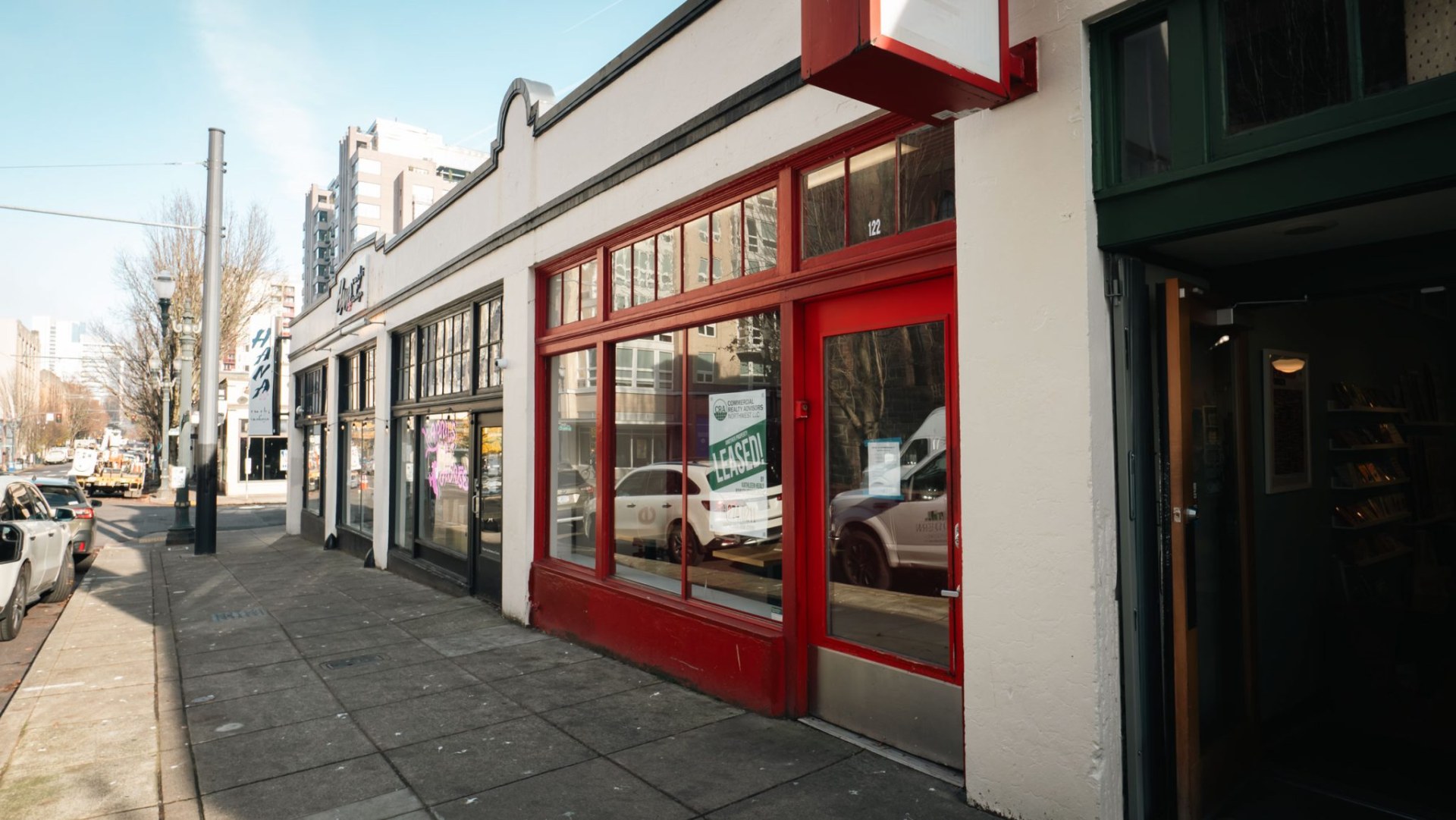
Modern Northwest is a restaurant construction company serving the Portland metro and Southwest Washington, including our build-out of Frank's Noodle House, and this guide covers restaurant construction the way it gets built and permitted: real cost ranges, kitchen ventilation and fire code, grease trap sizing, and the health department rules that have to be right before your restaurant can open, which differ depending on which side of the Columbia your project is on.
Already have a location or a lease on the table? Send us your space and we will flag code and layout issues before you sign.
What does a restaurant build-out actually cost?
Industry data from EB3 Construction puts a fast-food or small-space build-out at roughly $100 to $650 per square foot, casual dining at $200 to $850, and fine dining at $300 to $1,000. That is a wide range because kitchen equipment grade, hood and ventilation complexity, and how much of the shell you are starting from all move the number. Equipment and furniture (FF&E) alone commonly runs 30 to 40 percent of the total budget, sometimes more on equipment-heavy concepts. Renovating an existing restaurant space is generally cheaper than a ground-up build-out, since the shell, some MEP rough-in, and often the hood and grease trap are already in place, but a real estimate for your space depends on your concept, your existing shell condition, and local labor and permit costs, not a national average.
Want a real number instead of a national range? Get a no-cost estimate for your concept before you build a budget around a generic figure.
Kitchen ventilation and hood systems: what NFPA 96 requires
Every commercial kitchen that produces grease-laden vapor falls under NFPA 96, the fire protection standard for commercial cooking operations. Grease ducts have to be continuously welded steel with fully liquid-tight seams, built to contain a grease fire rather than let it spread, and makeup air has to be sized so the kitchen does not pull excessive negative pressure while the exhaust system runs. The fire suppression system over your hood has to meet UL 300, covering the cooking equipment, the hood interior, and the duct collar with automatic gas and electrical shutoff if it activates. Your mechanical contractor and your local fire marshal, Portland Fire & Rescue or the fire authority covering your jurisdiction, sign off on the exact provisions for your code edition, since this is exactly the kind of system that is far more expensive to retrofit than to design correctly the first time.
Grease trap sizing: how plumbing code determines your tank size
Grease trap and interceptor sizing follows the PDI G-101 industry standard, which most municipal grease ordinances are based on: tank size in gallons equals your combined fixture flow rate in gallons per minute times a standard 30-minute retention time. A typical full-service restaurant with a 3-compartment sink, a commercial dishwasher, a prep sink, and a couple of floor drains usually lands in the 1,000 to 1,500 gallon range. In Portland, the Bureau of Environmental Services requires a grease interceptor connected on any new construction, redevelopment, tenant improvement, or change of ownership under its real Cut Through the FOG program, and your local jurisdiction has final say on the required size regardless of what the fixture math suggests, so confirm it early rather than during permitting.
Not sure your kitchen layout meets fire or health code? Schedule a code review, or call us directly at (360) 326-2747.
Handwashing stations and health code compliance
The FDA Food Code calls for a dedicated handwashing sink in every food prep area, separate from your warewashing sink, prep sinks, and mop sink. Washing hands in one of those other sinks is commonly a critical violation, though adopted code editions and enforcement vary by state and county, so confirm the specifics with your local health department. This is a detail that trips up more first-time restaurant owners than almost anything else in the kitchen, so add handwashing stations near the cook line, dish pit, and bar to the plumbing plan from day one rather than squeezing one in after an inspector flags it.
Restaurant permitting differs by county: Portland, Beaverton, and Vancouver, WA
Restaurant plan review and health permitting is not one system across this region. Multnomah County Environmental Health licenses and plan-reviews restaurants inside Portland. Washington County runs its own separate Environmental Health program for Beaverton and the rest of the county (503-846-8722), though it does not publish a standard plan-review timeline the way Clark County does, so confirm timing directly with them early. Clark County Public Health handles the Vancouver, WA side under the Washington Retail Food Code, and recently posted a timeline of 3 to 5 weeks for initial plan review comments and 8 to 12 weeks for full completion, though that can move with the county's plan review volume, so check their current posted timeline rather than treating this as fixed. Knowing which county's process applies, and budgeting real weeks for it, is exactly the kind of detail that gets missed when a build-out is planned off a generic national guide.
Already have a lease or a build timeline in mind? Get a real estimate, no obligation, before you commit to a floor plan.
Restaurant construction in Portland, Beaverton, and Vancouver, WA
Restaurant demand keeps growing nationally. The National Restaurant Association projects total restaurant and foodservice sales will reach $1.55 trillion in 2026, with employment climbing to 15.8 million jobs, real demand behind the build-out numbers above. Modern Northwest is a restaurant construction company and restaurant construction contractor working across Portland, Beaverton, and Vancouver, WA, and every restaurant build-out we take on has to solve the same real problems: kitchen ventilation, grease and plumbing code, the right county's health permitting, and a build that survives a busy service. If your restaurant is going into a leased space, the planning above feeds directly into a broader tenant improvement build-out.
Frequently asked questions
How much does a restaurant build-out cost?
Published industry ranges run from roughly $100 to $650 per square foot for a fast-food or small space up to $300 to $1,000 per square foot for fine dining, with equipment (FF&E) alone commonly 30 to 40 percent of the total budget. These are national ranges, and Portland-area costs often run higher, so the real number for your concept depends on your space and scope.
What does NFPA 96 require for a commercial kitchen hood?
NFPA 96 requires grease ducts built from continuously welded steel with liquid-tight seams, makeup air sized to keep the kitchen from pulling excessive negative pressure while the exhaust runs, and a UL 300 fire suppression system covering the cooking equipment, hood interior, and duct collar. Your mechanical contractor and local fire marshal confirm the exact provisions for your code edition.
What size grease trap does a restaurant need?
Most full-service restaurants need at least a 1,000 to 1,500 gallon grease interceptor under the PDI G-101 industry standard, sized from your fixture flow rates and a standard 30-minute retention time. In Portland, the Bureau of Environmental Services also requires interceptors on new construction, redevelopment, and tenant improvements under its Cut Through the FOG program. Your local jurisdiction sets the final required size.
Does a restaurant need a separate handwashing sink?
Yes, in most jurisdictions. The FDA Food Code calls for a dedicated handwashing sink in every food prep area, separate from your 3-compartment warewashing sink, prep sinks, and mop sink, and washing hands in one of those other sinks is commonly a critical violation. Confirm the specifics with your local health department.
Do Portland, Beaverton, and Vancouver, WA all handle restaurant permitting the same way?
No. Multnomah County Environmental Health licenses and plan-reviews restaurants in Portland. Washington County runs its own separate Environmental Health program for Beaverton but does not publish a standard timeline, so confirm it directly with them. Clark County Public Health handles the Vancouver, WA side under the Washington Retail Food Code and recently posted a 3 to 5 week wait for initial plan review comments and 8 to 12 weeks for full completion, though that can move with volume, so check their current posted timeline. Budget real time for whichever county your project is in.
How is the restaurant industry doing in 2026?
The National Restaurant Association projects total restaurant and foodservice sales will reach 1.55 trillion dollars in 2026, with employment climbing to 15.8 million jobs, real demand behind the build-out numbers above.
The bottom line
Restaurant construction comes down to a handful of real numbers most first-time owners never hear until permitting is already underway: build-out cost by concept, kitchen ventilation and fire code, grease trap sizing, and which county's health department is reviewing your plans. Plan those against your actual concept, lease, and jurisdiction before construction starts, not after the equipment is already ordered.
Whichever county you are building in, get your real cost number and timeline before you sign a lease. Reach out for a no-obligation consultation, or call (360) 326-2747.
Sources
- National Restaurant Association, "2026 State of the Restaurant Industry"
- EB3 Construction, "Restaurant Build-Out Estimate: Average Costs, Key Line Items, and Budget Factors"
- NFPA, "NFPA 96: Standard for Ventilation Control and Fire Protection of Commercial Cooking Operations"
- Koorsen Fire & Security, "Overview of NFPA 96"
- U.S. FDA, Supplement to the 2022 Food Code
- WebstaurantStore, "Grease Trap Sizing Guide & Calculator" (citing the PDI G-101 industry standard)
- Portland.gov, "Cut Through the FOG" (Bureau of Environmental Services)
- Multnomah County, "Restaurants" (Environmental Health)
- Clark County, WA, "Permitting Information" (Public Health)
Planning a restaurant build-out?
Call (360) 326-2747 or reach out online for a free consultation before you finalize your floor plan.
Request a Free Consultation