Soft Costs vs Hard Costs in Construction: What Goes in Each Budget
Hard costs are the money spent on physically building: labor, materials, subcontractors, equipment, the mechanical, electrical and plumbing systems, and the finishes. Soft costs are everything else the project needs: design and engineering fees, permits and fees, legal, insurance and bonds, financing and project management. On a commercial build-out the contractor's price is mostly hard costs, while many soft costs land in the owner's own budget, which is why they are the ones that get missed.
| Hard costs | Soft costs |
|---|---|
| Construction labor and materials | Architect and engineer fees |
| Subcontractors and equipment | Building and trade permits, plan review and fees |
| Demolition, framing, structure, roofing | Legal and accounting |
| HVAC, electrical, plumbing | Insurance and bonds |
| Fire sprinklers and alarm | Loan interest and lender fees |
| Finishes, doors, built-in casework | Project management and consultants |
| Site work | Movable furniture, computers, phones, leasing and marketing |
How the construction guides we checked sort the common items. Some items, like general conditions, can land on either side depending on who is counting.
Building a project budget? We can tell you what our price covers and which costs you should plan for on your side. Licensed in Oregon (CCB #198582) and registered in Washington (L&I MODERNI888R7). Call (360) 326-2747.
Hard costs: what you can touch
The simplest test from the guides: if you can touch it or see it in the finished space, it is a hard cost. That covers the trades and their materials, from demolition and framing to the HVAC, wiring, plumbing, sprinklers and alarm, through the ceiling, flooring, paint and built-in casework. On a tenant build-out, almost all of this is inside the general contractor's price, billed against a schedule of values.
Soft costs: what makes the work possible
Soft costs pay for design, approvals, money and management. The architect and engineers are paid for the drawings, the city is paid for plan review and permits, attorneys review the lease and contract, the lender charges interest and fees, insurers and sureties are paid for coverage and bonds, and someone manages the whole thing. In Portland, a commercial build-out will most likely need separate electrical, mechanical and plumbing permits on top of the building permit, so permit costs come in several pieces.
Financing deserves its own line. Loan interest keeps accruing while the project runs, so a schedule slip raises soft costs even when the construction price does not move.
Where the line blurs
- General conditions. Site supervision, temporary utilities and cleanup are part of building, but some budgets file them as soft costs. On most contractor bids they sit inside the price. See our guide to general conditions.
- Furniture and equipment. Movable furniture, computers and phones are soft or a separate owner budget; built-in casework is hard.
- Design-build. Under design-build, design fees ride inside the builder's contract. They are still soft costs, just paid through one contract instead of two.
- Contingency. Many owners carry one reserve for construction surprises and a separate one for design and approval surprises. Our allowance vs contingency guide covers how they work.
Budgeting a tenant build-out
Start with the whole project, not just the construction bid. Put the contractor's price on one line, then list every soft cost you will pay directly: design, permits, legal review, furniture and IT, moving, and financing if you borrow. Check what the landlord's tenant improvement allowance can be spent on, including whether it can pay any of these soft costs. Our tenant improvement cost guide covers the construction side. More terms are in our commercial construction glossary.
Frequently asked questions
What are hard costs in construction?
The costs of physically building: labor, materials, subcontracts, equipment, structure, mechanical, electrical and plumbing, fire sprinklers and alarms, and finishes. A simple test: if you can touch it in the finished space, it is a hard cost.
What are soft costs in construction?
Everything the project needs that is not the physical work: architect and engineer fees, permits and fees, legal and accounting, insurance and bonds, financing interest and loan fees, project management, and for commercial owners, leasing and marketing.
Are permits a hard cost or a soft cost?
Most guides list permits and fees as soft costs. On a commercial build-out in Portland, expect a building permit plus separate electrical, mechanical and plumbing permits, so budget for all of them.
Is furniture a hard or soft cost?
Movable furniture, computers and phones are usually soft costs or a separate owner budget. Built-in items such as casework and fixed millwork are hard costs, because they are part of the construction.
Why do soft costs get underestimated?
Because the construction contract is the biggest, most visible number, and soft costs are spread across many smaller bills from different people. Financing interest also keeps running if the schedule slips.
The bottom line
Hard costs build the space; soft costs design it, permit it, finance it and manage it. The construction contract mostly covers the first, so budget the second yourself, line by line, and keep a reserve for each.
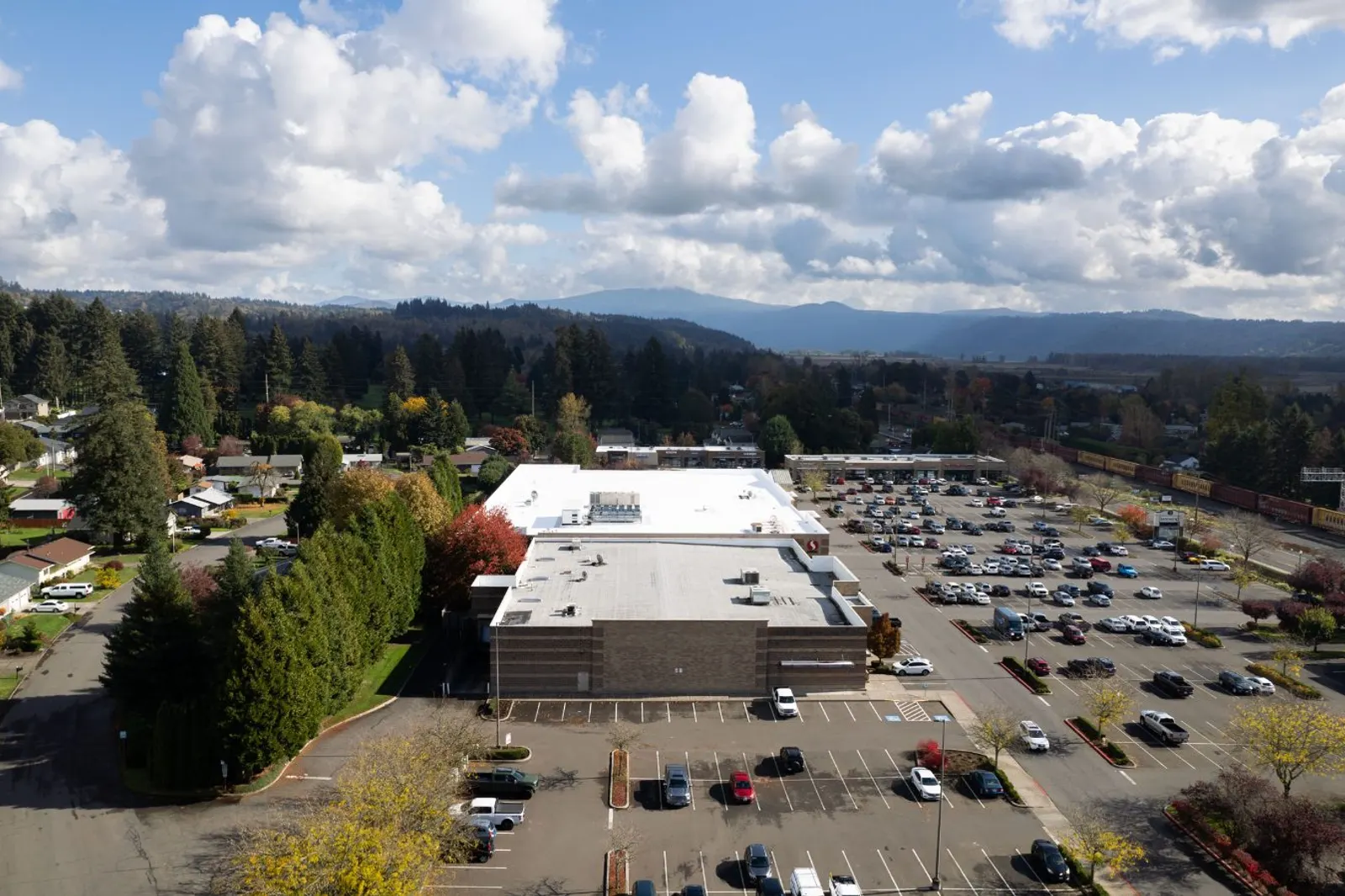
From the 23,000 square foot Rite Aid conversion in Washougal to its design-build garden center, Modern Northwest has priced commercial work on both sides of the river since 2005. Bring us your budget.
Sources
- Procore, "Hard Costs vs. Soft Costs in Construction"
- Young Architect, "Hard Costs vs Soft Costs: Where Your Budget Actually Goes"
- Ace Building Service, "Understanding the Difference Between Hard and Soft Costs in Construction"
- City of Portland Permitting & Development, "Commercial Tenant Improvement and Alteration"
Budgeting a project?
Send us the plan and your numbers. We will separate what our price covers from what you should budget yourself.
Request a Free Consultation