
Change of Use Permit: What Happens When a Commercial Space Changes What It Is
A change of use permit is the building permit you need when a space will be used differently than before, like an office becoming a cafe or a store becoming a preschool. In Portland you need one even if you are not building anything, and the new use can bring the space up to today's code for accessibility, fire protection and seismic safety. The full city process is in our guide to City of Portland commercial building permits. Here is how it works, what it can trigger, and what it looked like on three of our jobs.
| Change of use | Change of occupancy | |
|---|---|---|
| What it means | The space is used differently than before | A change of use that moves the space into a different building code occupancy group |
| Portland examples | An office becoming a cafe | An office becoming a child care center, or a restaurant growing from under 50 seats to 50 or more |
| Permit needed? | Yes, even with no construction | Yes, and it needs a licensed architect |
| Typical code impact | Can be small | Often large: exits, sprinklers, accessibility, seismic |
The occupancy groups themselves (A, B, E, M, R, S) are explained in our occupancy classification guide. Definitions and examples are from the City of Portland's own change of use page. Other cities use the same idea, because it comes from the building code.
Looking at a space for a new use? Call us before you sign the lease. We walk the space, check its current permitted use, and tell you what the change will trigger. (360) 326-2747 or see our commercial property renovations and conversions.
Why a change of use needs a permit at all
A building is permitted for a certain use, and the code it was built to assumes that use: how many people are inside, what they are doing, and how fast they can get out. A cafe holds more people per square foot than an office. A preschool holds children who cannot open heavy doors. When the use changes, the city checks the space against the new use. That is why Portland requires a permit to document the change even where no alterations are planned, and why the job still needs an inspection before the new use opens. If 180 days pass without an approved inspection, the permit expires.
What a change of use can trigger
This is where budgets get surprised. Portland says current code requirements must be met for the new use, and lists these items:
- Accessibility. New work has to meet today's accessibility rules, and the city can require up to 25 percent of the construction cost to go toward removing existing barriers. The order of priority is parking, then the accessible route to the entry, then the entry itself, then restrooms.
- Seismic upgrades. Under Portland City Code 24.85, seismic requirements depend on the new occupancy, how much the number of people increases, and how much of the building changes.
- Fire sprinklers. A new use can require adding a sprinkler system.
- Zoning and parking. Some zones require vehicle or bike parking, pedestrian improvements or landscaping when the use changes.
- Design or historic review. Exterior changes can need design review or historic resource review in some locations.
- System development charges. If the new use brings more customers, traffic or water and sewer use, the city can charge SDCs, which it describes as potentially significant.
None of these are automatic. Each depends on the building and the new use. That is the point of checking before you sign: the same suite can be an easy change for one business and an expensive one for another.
How the Portland process runs
- Research the existing use. Find out what the building is currently permitted for. This is the step most people skip, and it decides everything after it.
- Prepare the application. For a change of occupancy, Portland requires drawings by a licensed architect.
- Apply and pay through DevHub, the city's online permit system, and answer the reviewers' comments.
- Get the permit and do the work, if there is any.
- Get inspections, even when no construction was done.
Timing: the city's goal for the first review of a simple change of use is about four weeks. Cases that need zoning approval or have a complicated building history can take several months. Questions go to Portland Permitting & Development at 503-823-7300. Outside Portland, the same idea applies with each city's own office; see who is responsible for pulling permits.
Three changes of use we have built
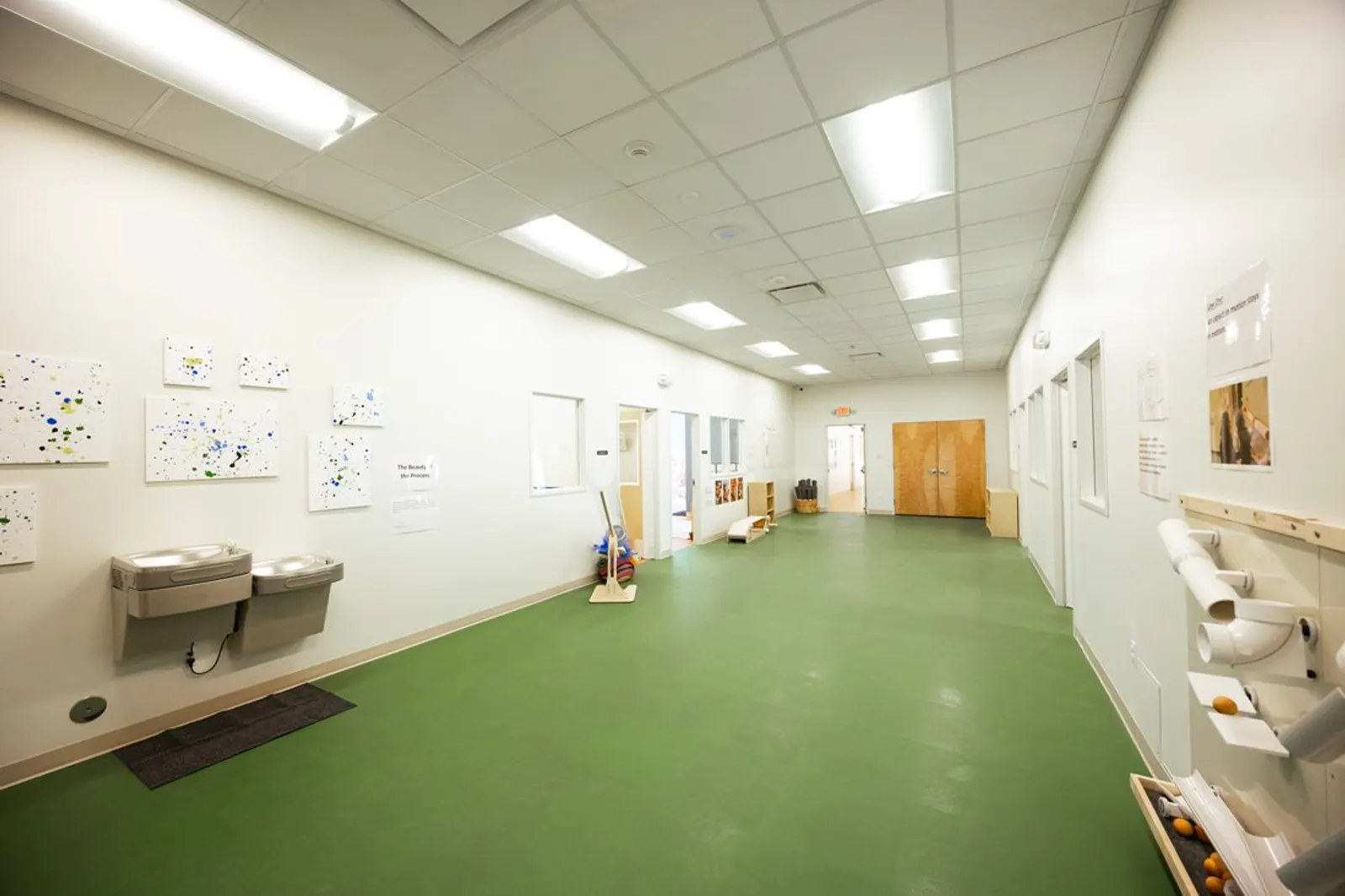
- Store suite to preschool, Tigard. We turned a suite in a retail center on SW Pacific Highway into Ivybrook Academy, finished April 2026. A school for small children has its own exit and restroom rules, and it needed exit doors out to a fenced yard.
- Blood bank to dental office, Beaverton. Uptown Family Dental is moving into a former blood bank on SW Canyon Road. In a conversion like this the existing plumbing and power decide where the operatories can go. More on that in converting a space into a dental office.
- Care facility to apartments, Troutdale. We remodeled Cherry Park, an 80-unit adult care facility, as part of its conversion to affordable apartments, November 2024 to April 2025.
How to keep a change of use from wrecking your budget
- Check the permitted use before you sign. A lease contingency tied to the permit is cheaper than a surprise sprinkler system.
- Count your people. Seats, staff and customers drive exits, restrooms and seismic triggers. A restaurant at 49 seats and one at 50 are treated differently in Portland.
- Look at the building, not just the suite. Parking, the accessible route and the entry are outside your suite but can land in your scope.
- Ask about SDCs early. They are separate from the permit fee and can be a real line item.
Frequently asked questions
Do I need a permit if I am not changing anything physically?
In Portland, yes. The city requires a permit to document a change of use or occupancy even when no alterations are planned, and it still needs an inspection before the new use can open.
How long does a change of use permit take in Portland?
The city sets a goal of about four weeks for the first review of a simple change of use. Cases that need zoning approval or have a complicated building history can take several months.
Does a change of occupancy need an architect?
In Portland, yes. The city lists any change of occupancy among the projects that need a licensed architect, along with buildings over 4,000 square feet and structural work.
Will I have to add fire sprinklers?
Possibly. Portland lists sprinklers among the current-code items a change of use or occupancy can trigger. It depends on the new use, the number of people and the building. We check it before you sign the lease.
Who applies for the permit, the tenant or the landlord?
Either can, but whoever applies needs the owner on board, because the permit is for the building. On our jobs we usually prepare and submit it for the client.
The bottom line
A change of use permit is required whenever a commercial space gets a new use, even with no construction, and a change of occupancy can bring the space up to current code for accessibility, sprinklers and seismic safety. The cheapest time to find out what yours will trigger is before you sign the lease.
Modern Northwest has built commercial projects across Portland and Southwest Washington since 2005, licensed in Oregon (CCB #198582) and registered in Washington (L&I MODERNI888R7). If you are looking at a space for a new use, send us the address and we will walk it with you. See our building conversions and tenant improvement pages for more.
Changing what a space is used for?
Send us the address and the new use. We will tell you what it triggers before you sign.
Request a Free Consultation