
What Does a Tenant Improvement Contractor Actually Do?
A tenant improvement contractor turns a leased commercial space into what the tenant needs. The job is pricing and scheduling the work, hiring and running the trades, working through permits and inspections, answering the questions that come up in the field, and closing the job out. Here is what that looked like on our own jobs.
New to the term? Start with what tenant improvements are. This page is about the contractor's side of the work, including the parts a tenant never sees.
What the contractor handles, phase by phase
| Phase | What the contractor does | What you get |
|---|---|---|
| Before the lease or early on | Walks the space and flags what could change scope | Early warning on problems |
| Pricing | Collects trade numbers and builds the budget and schedule | A number and a schedule to decide on |
| Permits | Submits or supports the permit set and answers corrections | An approved permit |
| Procurement | Hires the trades and tracks product approvals | Materials you have signed off on |
| Construction | Runs the trades on site in sequence and answers field questions | A built space |
| Inspections | Calls and passes inspections before work gets covered | Approved work |
| Closeout | Punch list, final inspection, warranty start | A space you can open in |
Pricing and scheduling
Our process starts with a free walkthrough of the space, then a budget and schedule before you commit. Behind that budget sits a stack of trade numbers, and the contractor's job is to make sure they cover the same scope, which is what bid leveling means. The schedule depends on the scope. On 8 of our recent jobs with proven start and finish dates, construction ran from about 7 weeks to about 14 months, as listed in our real timeline data.
Hiring and running the trades
Most of the hands-on work is done by specialty trades that the general contractor hires, sequences and holds to the schedule. On the 5,618 square foot Orenco Family Medicine clinic in Hillsboro, the packages were plumbing; demolition, metal stud framing, drywall and acoustical ceilings; fire sprinklers; electrical and lighting; HVAC; flooring; finish carpentry; casework and countertops; painting; and fire alarm. Those trades share one space, so the order they work in matters as much as what they do.
Product approvals
Before most materials get ordered, the contractor gathers product data and drawings and gets them approved. These are called submittals, and shop drawings are one kind. The Orenco job logged 26 of them, from ceiling tile and corner guards to reception wall paneling, while the landlord side of the Thirsty Caterpillar job at Mercantile Village logged 12. This is slow, unglamorous work, and it is how a wrong door or light fixture gets caught before it arrives on site.
Answering questions in the field
No drawing set answers everything. When a crew finds a conflict or a gap, the contractor writes it up as a formal question, called an RFI, and gets an answer before work goes on. The count varies a lot by job:
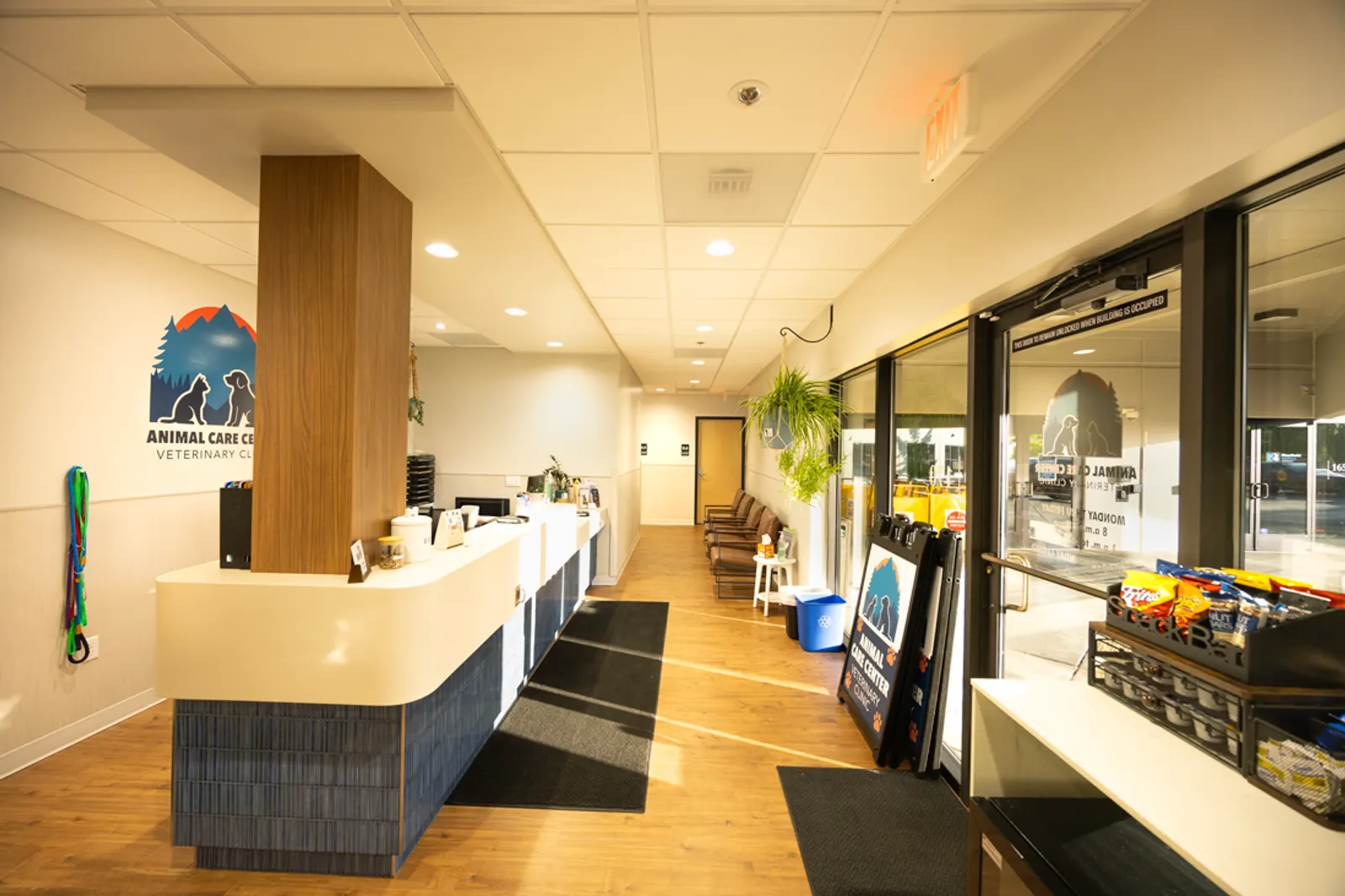
- Animal Care Center vet clinic, 21 questions. Kennel locations, the height of the soffits over the cages, support for surgery lights, and the imaging room power plan.
- Orenco Family Medicine, 7 questions. A rated plenum, an ADA door opener, exit signage, and power for exam room equipment.
- Eastwood Apartments (Cherry Park) conversion, 30 questions. Existing ducts passing through unit walls, old low-voltage wiring, and ceiling transitions where a wall was removed.
A tenant rarely sees this list, and it is a big part of what you are paying a contractor for.
Permits and inspections
Portland treats a tenant improvement as a commercial alteration, with its own building permit and inspections. Trade work like plumbing, mechanical and electrical often runs on separate permits, and systems can follow later as deferred submittals. On the Orenco job, fire sprinklers, HVAC and fire alarm each went that way. At Modern Northwest we pull the permit. See who is responsible for pulling permits, and the Portland permit guide for the steps.
What a tenant improvement contractor does not handle
- Your lease. The allowance, the landlord's approvals and who owns what are between you and the landlord. Read about the tenant improvement allowance before you sign.
- Your equipment and furniture, unless the contract says so. On Orenco, the tenant supplied its medical equipment list for our reference.
- The landlord's own work, unless it is in the contract. At Mercantile Village, we held the landlord work and the tenant build-out as two separate contracts.
- Your business licenses and operating permits, like a health license or an X-ray registration. We build to support them, and you hold them.
Questions to ask a contractor about all this
Who writes and tracks the RFIs and submittals? Who calls inspections? Who is on site every day? How often will you hear from them? Good answers come with names. For the wider checklist, see how to choose a commercial general contractor.
Frequently asked questions
What does a tenant improvement contractor do?
A tenant improvement contractor turns a leased commercial space into what the tenant needs. That means pricing and scheduling the job, hiring and coordinating the trades, working through permits and inspections, answering field questions, and closing the job out.
Does the contractor do the design?
It depends on the delivery method. On a design-bid-build job, an architect draws the plans first. On a design-build job, the contractor brings design and construction under one contract.
Does a tenant improvement contractor do the work with its own crews?
A general contractor usually hires specialty trades for the work and runs them. On our Orenco Family Medicine job, those included plumbing, fire sprinklers, electrical, HVAC, flooring, casework and fire alarm.
What is the tenant responsible for?
Usually the lease, the landlord approvals, and its own equipment and furniture. On our Orenco job, the tenant supplied its medical equipment list for our reference. Your lease decides the rest, so share it early.
The bottom line
A tenant improvement contractor's real product is coordination: the trades, the approvals, the questions and the inspections, in the right order. Modern Northwest does tenant improvement work in Oregon and Southwest Washington from 19140 NE Portal Way in Portland, licensed in Oregon (CCB #198582) and registered in Washington (MODERNI888R7) since 2012.
Sources
- Modern Northwest project records: subcontract titles, RFI and submittal logs (read November 5 and 6, 2026)
- Portland Permitting & Development, "Commercial Alteration - Tenant Improvement Building Permits & Inspections"
- Oregon License Directory, "Contractor, Commercial General - Level 1 or Level 2 (CCB)"
Planning a Build-Out?
We start with a free walkthrough, then give you a budget and schedule before you commit.